.jpg)

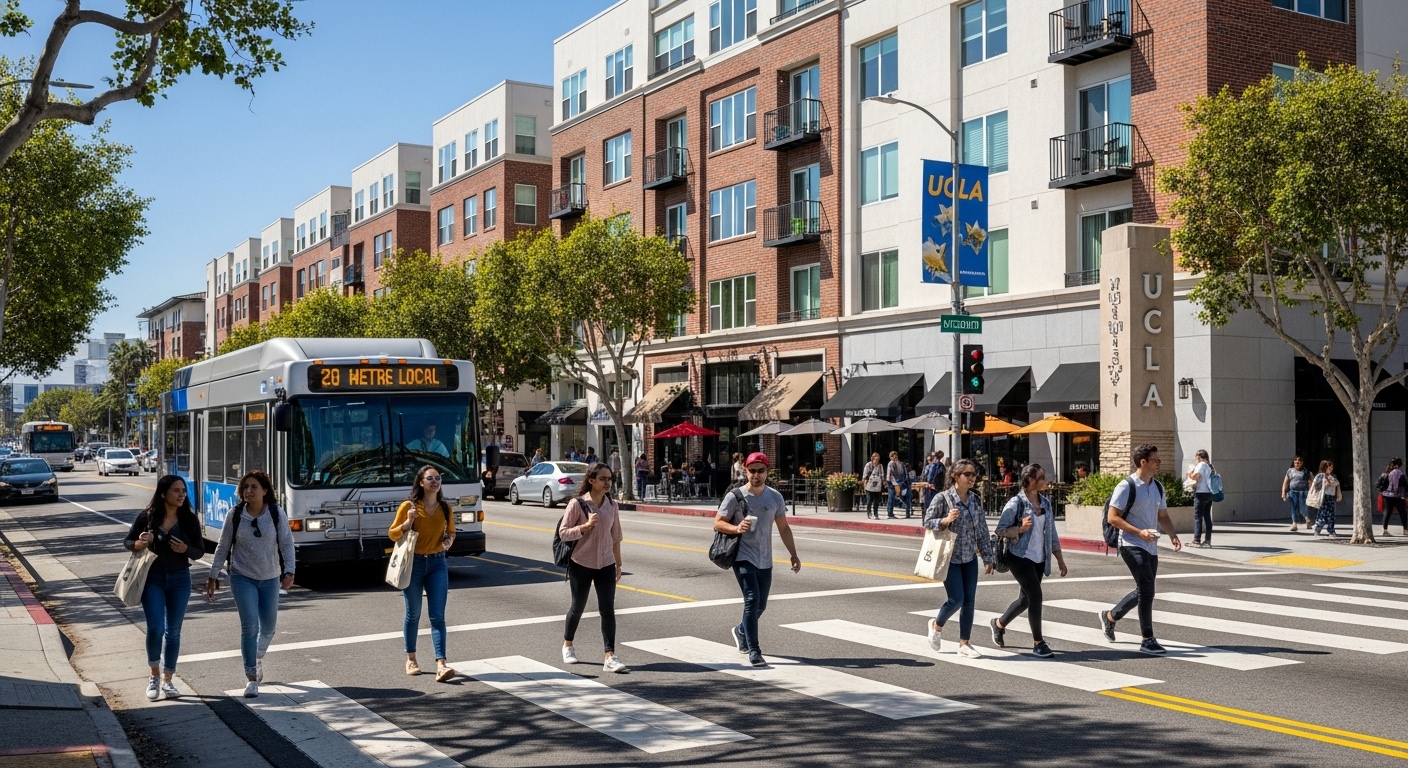
Culver City is one of the easier places on the Westside to live without driving everywhere. If you are comparing neighborhoods and want a car-light lifestyle, understanding public transportation in Culver City can help you decide faster. This guide is for young professionals, hybrid workers, students, and renters who want walkable blocks, simple commutes, and less time spent looking for parking. The key advantage here is that Culver City works like a transit “crossover” area: rail gets you across Los Angeles, and buses help with the short trips that rail does not cover. If you are still learning the area, start with this guide to living in Culver City without a car.
Key Points
- Culver City is one of the most transit-connected cities on the Westside.
- The Metro E Line provides rail access across Los Angeles.
- Local bus systems help solve first-mile and last-mile trips.
- Public transit supports a car-light lifestyle for work and errands.
- Transit access is a real factor in rental decisions, not just a bonus.
Why Culver City Is One of LA’s Most Transit-Friendly Cities
Culver City stands out because transit and walkability work together. Many LA neighborhoods have transit nearby, but you still end up driving because the station feels far from daily needs. In Culver City, a lot of everyday places sit closer together: coffee shops, grocery runs, casual dining, gyms, and small errands. That makes it easier to mix walking with transit.
Another reason is location. Culver City sits in a central Westside position, so trips often feel “shorter” than they do from more inland areas. You can head east toward job centers and Downtown, or west toward the beachside of the city. For many renters, that flexibility is the real win: you can accept plans across town without automatically needing a rideshare.
Finally, Culver City tends to have strong “station areas” where the streets feel active and walkable. When an area is easy to navigate on foot, public transit becomes more useful because you do not need a car just to get to the stop.
The Metro E Line: Culver City’s Rail Backbone
The Metro E Line (formerly called the Expo Line) is the main rail option in Culver City. It runs east and west, which is a big deal in Los Angeles because cross-town trips can be slow by car. When you take rail, you usually avoid the biggest traffic slowdowns on the road.
For residents, the E Line is most helpful for:
- Commuting east toward busier job areas and connections to other parts of LA.
- Heading west toward the Santa Monica side of the Westside.
- Reducing commute stress because the ride is more predictable than driving during rush hour.
Rail is not perfect, but it can make your schedule feel more stable. If you build a routine around it (like leaving at the same time most weekdays), you can often plan your day more clearly than you can with a car commute.
Local Bus Options and Last-Mile Transit
Rail is great for longer moves across LA, but buses are what make daily life easier. In Culver City, buses help solve the “last-mile” problem: getting from a station to your final stop, like your home, a class, or a workplace.
Here are the main roles buses play in Culver City:
- Short, local trips when a rail stop is not close enough.
- Connecting to nearby areas on the Westside where rail does not reach directly.
- Supporting errands when you do not want to drive or pay for parking.
Common bus systems you will hear about include Culver CityBus, Big Blue Bus, and LA Metro buses. You do not need to memorize every route. What matters is understanding the pattern: rail covers the big distance, and buses fill the gaps. If you are planning a car-light routine, it helps to look at a few “core” stops you use most often, like a grocery run route or a work route.
Public Transportation for Work-Life Balance
Transit affects more than your commute. It can change how your week feels. When you are not driving every day, you may spend less energy on traffic, parking, and gas. That can free up time for workouts, meal prep, or just resting after work.
Public transportation also helps with schedule flexibility. For hybrid workers, that matters a lot. If you only commute a few days each week, transit can feel like a strong “part-time” tool instead of a daily burden. It can also make it easier to separate work and home life. Many people like having a clear start and end to the workday that does not involve stressful driving.
If you are comparing neighborhoods for lifestyle reasons, this guide to best LA neighborhoods for work-life balance can help you see how Culver City fits into the bigger picture.
Getting Around Culver City Without a Car
Living car-free or car-light works best when you can combine three things:
- Walking
- Biking
- Public transportation
Culver City is a good match for that mix. Many residents do small errands on foot, then use transit for longer trips. For example, you might walk to coffee, take rail for work, then use a short bus ride for a grocery run on the way home.
Weekend plans can also be easier than people expect. If you can reach a few “core zones” by transit, you can do a lot without driving. The trick is planning your routine around the places you visit most, not around perfect coverage everywhere.
If you want ideas for building a comfortable daily routine at home (especially if you spend more time indoors because of work), this post on everyday lifestyle in Culver City apartments is a good companion read.
Public Transit vs Driving in Culver City
Some people assume driving is always faster. In Culver City, that is not always true. The real comparison depends on cost, time, and stress.
Cost: Driving often includes gas, parking fees, and wear on your car. Transit usually costs less per trip, especially if you commute often.
Time reliability: Driving time can swing a lot depending on traffic and parking. Transit can be more predictable on certain routes, especially rail.
Parking: Parking can be a hidden problem. Even if the drive is short, the time spent hunting for parking can ruin the “easy trip” feeling.
The goal is not to say transit is always better. The goal is to be realistic: if you live in a transit-friendly area, you can choose the best option for each trip instead of defaulting to a car every time.
Comparison Table: Transit-Oriented Living vs Car-Dependent Living
| Factor | Transit-Oriented Living (Culver City-style) | Car-Dependent Living |
|---|---|---|
| Monthly cost | Often lower (fewer driving expenses) | Often higher (gas, parking, maintenance) |
| Commute flexibility | Rail + bus options, easier to mix modes | Mostly limited to driving |
| Stress level | Less traffic stress on many trips | Traffic and parking can add stress |
| Daily errands | Easier if walkable + short bus options | Often requires a car for basics |
| Lifestyle impact | Supports car-light routines | Car becomes the default tool |
FAQ
Is Culver City good for public transportation?
Yes. Culver City is known for strong Westside transit access because it combines rail options (like the E Line) with multiple bus systems. If you choose housing near your main routes, it can support a car-light lifestyle.
What train line runs through Culver City?
The Metro E Line runs through Culver City and connects east and west across Los Angeles. It is one of the most useful rail lines for Westside residents.
Can you live in Culver City without a car?
Many people do, especially if they live near transit and keep their weekly routine simple. Walking, biking, rail, and buses can cover work commutes and many errands. Some residents still use rideshares for occasional trips.
How do people commute from Culver City?
Common options include taking the E Line for longer trips, using buses for local connections, and mixing walking or biking for short distances. Many commuters use a rail-plus-walk routine.
Is Culver City transit better than other LA areas?
It is stronger than many neighborhoods because of its Westside location, rail access, and bus coverage. It may not beat every single area in LA for every route, but it is one of the more practical places for car-light living.
CTA: Explore Car-Light Living in Culver City
If you like the idea of getting around without driving everywhere, the next step is seeing how your daily routes would look from where you live. Use see how easy it is to get around from Woodcliff Living to check nearby transit options and plan a commute that fits your work, school, and weekend routine.