.jpg)
The post Where Remote Workers Stay Long-Term in Los Angeles appeared first on Woodcliff Blog.
]]>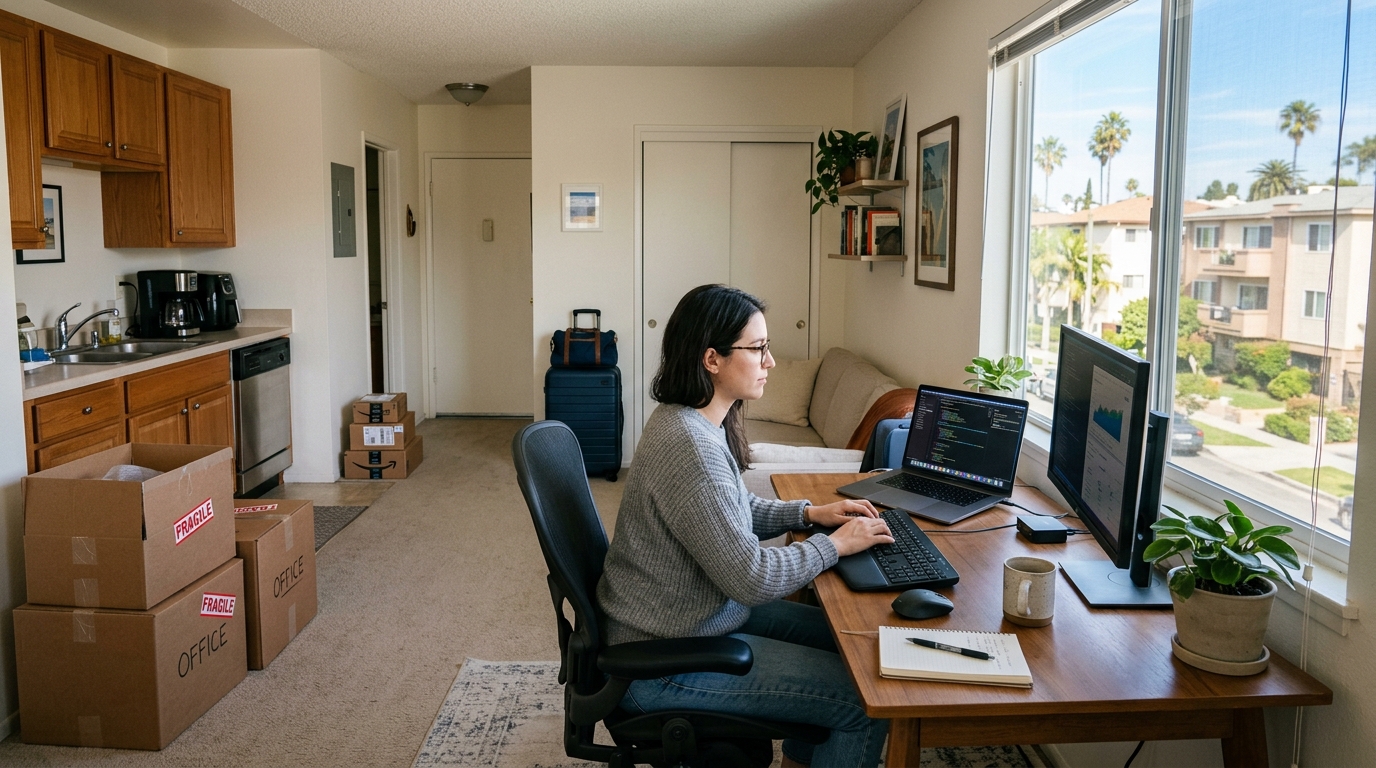
A long-term stay in Los Angeles can mean one month, six months, or a full year. That creates a housing gap: a vacation rental may offer flexibility, while a standard apartment lease may require more commitment than the renter is ready to accept.
The best long-term stays for remote workers in Los Angeles depend on more than rent. Furniture, utilities, internet, deposits, parking, workspace, maintenance, and cancellation terms can change the real cost.
This guide compares five housing formats and shows how to match them with your expected stay and daily routine.
Quick Answer: Where Do Remote Workers Stay Long-Term in LA?
Remote workers commonly compare extended-stay hotels, monthly furnished rentals, corporate housing, co-living, and apartments with flexible lease terms. A stay lasting a few weeks usually favors convenience and easy cancellation. For six months or longer, an apartment lease may provide more stability and value.
Compare the full cost, furnishings, workspace, internet, parking, deposit, and early-exit terms before deciding.
Start With How Long You Expect to Stay
Stay length should guide the housing search before neighborhood or property style.
Use these planning ranges:
- One to four weeks
- One to three months
- Three to six months
- Six to twelve months
- Longer than one year
Ask yourself:
- Is my departure date fixed?
- Could the assignment be extended?
- Am I testing LA before relocating?
- Do I need a furnished home?
- Will another person or pet join me?
- Can I commit to a lease?
- Will an employer reimburse housing?
- How much move-out flexibility do I need?
A renter with an uncertain two-month project may accept a higher monthly price for easier cancellation. Someone staying nine months may benefit from comparing a shorter apartment lease with a furnished monthly rental.
Compare the Main Long-Term Housing Options
The five main formats solve different problems. Compare setup, privacy, service, and exit terms rather than choosing from rent alone.
| Housing Format | Possible Advantages | Main Trade-Offs |
|---|---|---|
| Extended-stay hotel | Furniture, basic utilities, flexible dates, and front-desk support | Smaller living areas, limited kitchens or storage, and potentially higher monthly costs |
| Monthly vacation rental | Exact booking dates, furniture, kitchen access, and possible utility bundling | Variable fees, seasonal pricing, cancellation rules, and inconsistent workspace quality |
| Furnished apartment or corporate housing | Residential layout, lower setup burden, and possible professional maintenance | Furniture packages, utilities, deposits, and shorter-term premiums vary |
| Co-living | Furnished private room, shared facilities, and lower move-in effort | Less privacy, shared-space rules, and variable bathroom arrangements |
| Traditional apartment with a flexible lease | Greater privacy, broader layout choice, and more stable routines | Application process, furniture, utilities, deposit, and early-termination terms |
Before choosing furnished housing, ask whether it includes a desk, chair, cookware, linens, television, internet, and utilities. A listing that says “furnished” may provide only major furniture.
Woodcliff currently offers efficiency, studio, one-bedroom, loft-style, and two-bedroom formats. Dimensions, availability, and individual features vary, so compare the current studio, one-bedroom, loft, and two-bedroom layouts.
Renters considering a shorter stay can also review the requested short-term and furnished apartment options, then confirm the exact lease term and furniture package directly. Woodcliff’s current FAQ states that short-term and furnished housing may be offered when available, while lease terms vary by apartment and timing.
Match Your Stay Length to the Housing Format
These ranges are starting points, not rigid rules.
| Expected Stay | Options to Compare First | Main Priority |
|---|---|---|
| 1–4 weeks | Extended-stay hotel or furnished monthly rental | Maximum flexibility |
| 1–3 months | Monthly rental, corporate housing, or co-living | Furnished convenience |
| 3–6 months | Furnished apartment or flexible lease | Cost versus flexibility |
| 6–12 months | Furnished or unfurnished apartment lease | Long-term value |
| 12+ months | Standard apartment lease | Stability and routine |
The three- to twelve-month period requires the closest comparison. A monthly rental may be easy to enter but costly to maintain. An apartment may offer better monthly value but require furniture, utilities, a deposit, and a more structured exit.
Compare:
- Monthly premium
- Furniture and delivery
- Utilities and internet
- Deposit
- Parking and pet costs
- Lease-end date
- Extension options
- Early-termination terms
A company-paid assignment may justify a premium furnished option. A renter who already owns furniture may prefer an unfurnished apartment sooner.
Choose an LA Neighborhood for Your Daily Routine
Short visits often prioritize attractions or a temporary office. Longer stays depend more on everyday routines.
Review:
- Grocery access
- Laundry
- Parking
- Transit
- Fitness
- Package delivery
- Workday noise
- Healthcare
- Outdoor breaks
- Travel to clients or offices
Culver City has a significant creative and technology employment base that includes Sony Pictures, Amazon Studios, and Apple. Culver City Station is served by Metro’s E Line, although its usefulness depends on the property address and the trips a renter makes.
Woodcliff is on Overland Avenue in Los Angeles, near Culver City and other Westside destinations. Its official FAQ identifies nearby access to downtown Culver City, Century City, Westwood, UCLA, LMU, Santa Monica College, Beverly Hills, and Santa Monica.
Use the guide to LA neighborhoods for remote and hybrid work for a broader comparison. Renters focused on the Westside can also review how to find a Culver City apartment.
Check the Amenities That Support Long-Term Remote Work
A long amenity list does not guarantee a functional remote-work setup. Confirm how the apartment and community support a normal workweek.
- Internet availability: Ask which providers serve the exact apartment, what plans are available, and how soon installation can occur.
- Workspace dimensions: Measure whether a desk, chair, monitor, and storage fit without blocking movement.
- Noise and privacy: Consider roads, shared walls, recreation areas, and whether video calls will disturb other occupants.
- Router and outlets: Check where equipment can be placed in relation to the desk.
- Cell reception: Test calls and mobile data in the rooms you expect to use.
- Climate control: Confirm how heating and cooling are managed inside the home.
- Package service: Ask how work equipment and oversized deliveries are handled.
- Laundry: Confirm the location, hours, payment method, and likely availability.
- Parking and EV charging: Verify assignments, fees, registration, and current access.
- Maintenance support: Ask how routine requests and urgent issues are handled.
- Kitchen and storage: Make sure the apartment supports regular meals and several months of belongings.
Wi-Fi in a shared room does not automatically mean private coworking space, guaranteed quiet, or business-grade bandwidth.
Woodcliff currently lists a two-story recreation room with Wi-Fi, two pools, a fitness center, package service, community laundry facilities, gated covered parking, EV charging, and on-site management and maintenance. Some features may involve additional charges or limited availability. Review the community amenities for longer stays and verify what matters to your routine.
Compare the Total Cost and Lease Terms
Use the same categories for every option.
| Cost | Questions to Ask |
|---|---|
| Base rent | Is this the actual monthly payment before other charges? |
| Utilities | Which services are included or billed separately? |
| Furniture | What specific items are provided? |
| Internet | Is service included, or must you arrange it? |
| Deposit | Is it refundable, and what deductions may apply? |
| Cleaning | Are recurring or move-out charges required? |
| Parking and pets | What monthly charges, deposits, or restrictions apply? |
| Platform or service fees | Are they included in the quoted total? |
| Early exit | What happens if the assignment ends sooner? |
Furnished housing may work well when immediate setup matters, transporting furniture is impractical, or an employer covers the premium. Unfurnished housing may make more sense for a longer stay or when the renter already owns furniture.
California generally limits residential security deposits to one month’s rent, with a limited exception for certain qualifying small landlords. Renters should confirm the current lease and applicable law before paying.
Research the Apartment Before Committing From Afar
Remote research should narrow the options, not replace verification.
- Review the exact floor plan: Confirm dimensions, windows, storage, and workspace placement.
- Check the images: Ask whether photos show the available home or a model with different finishes.
- Request a live walkthrough: Have the leasing representative show the actual apartment, view, appliances, closets, and condition.
- Verify remote-work needs: Confirm internet providers, cell reception, daylight, outlets, and likely noise.
- Review practical systems: Ask about parking, package delivery, laundry, and maintenance.
- Confirm the furnished package: Request a written inventory of furniture, kitchenware, linens, and equipment.
- Check the full cost: Review lease dates, deposits, utilities, parking, pet charges, and early-exit terms.
- Keep written answers: Save important representations before applying or paying.
A recorded or interactive tour helps with the general layout, while a live video call can show the exact residence. Neither replaces written confirmation of pricing, features, furnishings, availability, and lease terms.
Woodcliff currently provides remote previews for studio, executive, loft, one-bedroom, and two-bedroom formats. Renters researching from another city can take a virtual apartment tour, then request a live walkthrough of the available home.
Consider Woodcliff for a Longer Culver City-Area Stay
Remote workers comparing a modern apartment community near Culver City can review Woodcliff’s efficiency, studio, one-bedroom, loft-style, and two-bedroom options, along with furnished and shorter-term housing when available. The community also lists shared Wi-Fi space, fitness and recreation amenities, parking, EV charging, package service, laundry facilities, and on-site support.
Because lease terms, furniture packages, pricing, deposits, and availability vary, confirm the full arrangement for the exact apartment when you contact the Woodcliff leasing team.
Frequently Asked Questions About Long-Term LA Stays for Remote Workers
Where Do Remote Workers Stay Long-Term in Los Angeles?
Remote workers may use extended-stay hotels, furnished monthly rentals, corporate housing, co-living, or professionally managed apartments with flexible lease terms. The right format depends on stay length, cost, furniture needs, privacy, and cancellation terms.
What Is the Best Option for a Three- to Six-Month Stay?
Furnished apartments and flexible shorter leases are often worth comparing. They may offer more stability than a vacation rental without requiring a full-year commitment. Compare deposits, utilities, furniture, parking, and early-exit terms.
Is a Monthly Rental Better Than an Apartment Lease?
A monthly rental may provide easier arrival and greater flexibility. An apartment lease may offer better value, privacy, layout choice, and predictable management over a longer period. Compare the full cost rather than rent alone.
Can Remote Workers Find Furnished Apartments Near Culver City?
Furnished apartments are available in the Culver City and West Los Angeles rental market, but inventory, furniture packages, lease lengths, pricing, and utilities vary. Confirm what is included for the exact apartment.
What Internet Speed Does a Remote Worker Need?
There is no single speed for every worker. Video meetings, uploads, cloud applications, multiple devices, and household size affect the requirement. Confirm the provider and plan available at the address.
What Amenities Matter for a Long-Term Remote-Work Stay?
Prioritize reliable internet, a functional workspace, climate control, package handling, laundry, parking or transit, maintenance, a practical kitchen, and storage. Fitness or recreation spaces matter when they fit the resident’s routine.
The post Where Remote Workers Stay Long-Term in Los Angeles appeared first on Woodcliff Blog.
]]>The post Is Culver City Expensive? Rent, Lifestyle, and Apartment Costs Explained appeared first on Woodcliff Blog.
]]>
Many renters ask the same question before moving to the area: is Culver City expensive?
The honest answer is that living in Culver City can cost more than many places in the U.S., especially when housing is part of the conversation. Still, cost alone does not tell the full story.
Culver City, CA is known for its location, dining, entertainment, job access, and connection to the larger Los Angeles area. For some renters, those lifestyle benefits can help balance the higher apartment and daily living costs.
For renters comparing modern apartment living in Culver City, it helps to understand the full cost picture before narrowing down floor plans.
Quick Answer: Is Culver City Expensive?
Yes, Culver City is generally considered expensive compared with the national average, especially because housing and rent tend to be major monthly costs. The cost of living in Culver can feel higher for renters who need a larger apartment, parking, frequent driving, or extra lifestyle spending. However, the total cost depends on your budget, commute, apartment size, transportation habits, and priorities. Some renters may find the higher costs worthwhile because of local convenience, access to jobs, dining, recreation, and public transportation.
Why Culver City Is Considered One of the More Desirable Places to Live
Culver City is often viewed as one of the more desirable places to live in Los Angeles County because it offers a mix of location, convenience, and lifestyle access.
The area sits near major Westside destinations, employment centers, restaurants, entertainment, and cultural spots. For many renters, that makes the neighbourhood feel practical for both work and daily life.
People who live in Culver often value:
- Location access: The area can work well for renters who want to stay connected to the Westside and other parts of Los Angeles.
- Dining and entertainment: Local restaurants, cafes, and cultural destinations can make the area feel active and convenient.
- Transportation options: Depending on the exact location, residents may be able to use transit, walking routes, biking, or shorter drives.
- Job opportunities: The nearby job market can appeal to renters working in entertainment, media, tech, healthcare, education, and professional services.
- Lifestyle fit: Culver City can offer a balance of city access and neighborhood convenience.
These benefits help explain why costs in the area may feel higher. Demand often follows convenience.
What Is the Average Rent in Culver City?
Culver City average rent can vary depending on apartment size, building type, amenities, location, and current market conditions.
A one-bedroom apartment in Culver City will usually have a different price range than a two-bedroom home. Rent prices can also fluctuate based on availability, lease timing, included features, and whether the home is close to transit, restaurants, or major employment areas.
Because averages change often, average rent in Culver City should be treated as a planning benchmark rather than a guaranteed monthly price. Before making a decision, renters should compare current listings, included features, and the total monthly cost.
If you are comparing options, review available apartment floor plans in Culver City to see how layout, space, and availability may affect your budget.
Why Rent Can Change by Apartment Type
Rent in Culver City is not the same for every home.
Two apartments in the same area may have different pricing depending on layout, age of the building, location, amenities, parking, and lease timing.
Common pricing factors include:
- Bedroom count: A studio, one-bedroom, and two-bedroom layout can each have different pricing expectations.
- Included features: Parking, in-unit laundry, outdoor space, or updated finishes may affect the average price.
- Location: Homes within walking distance of transit, dining, or work areas may cost more.
- Building amenities: Fitness areas, shared lounges, package systems, and parking can influence value.
- Market timing: Prices have increased in many competitive rental markets over time, but local conditions can shift.
The median or average monthly number can help with planning, but it should not replace checking current apartment availability.
Housing Costs Beyond Rent
Rent is usually the largest housing expense, but it is not the only cost renters should plan for.
Housing costs may also include utility bills, internet, parking, renter’s insurance, deposits, application fees, furnishings, and move-in costs. These out-of-pocket expenses can add up quickly, especially for first-time renters or people relocating from outside the area.
Common housing expenses may include:
- Utilities: Electricity, gas, water, trash, or sewer may be included or billed separately depending on the property.
- Internet: Remote workers, students, and streaming households should include this in the monthly budget.
- Parking: Some apartments may include parking, while others may charge separately or have limited availability.
- Insurance: Renter’s insurance may be required or strongly recommended.
- Move-in costs: Deposits, first month’s payment, pet fees, and professional moving costs can affect the upfront budget.
- Furnishings: New furniture, kitchen supplies, lighting, and storage can increase the initial cost of housing.
Before applying, ask what is included and what is separate. Housing and utilities should be reviewed together because they shape the real monthly cost.
Transportation Costs and Daily Commuting
Transportation can change how expensive Culver City feels.
Some renters may spend less on transportation if they live near work, transit, grocery stores, restaurants, or everyday errands. Others may need to budget for gas prices, parking, insurance, rideshare, or longer commute patterns.
Culver City has access to public transportation options, including Metro service and Culver CityBus routes. For some renters, that can reduce dependence on driving, especially if daily destinations are near transit stops.
Transportation expenses to consider include:
- Public transportation: Transit can be helpful for commuters who live near useful routes.
- Metro access: Depending on your location, Metro may support trips around Culver City and beyond.
- Gas and parking: Driving can add costs through fuel, parking, and vehicle upkeep.
- Commute time: A shorter commute can save time and reduce daily stress.
- Walking or biking: Living near errands, cafes, and services can reduce short car trips.
A commuter should compare both money and time. A slightly higher apartment cost may feel more reasonable if it reduces transportation expenses and makes the week easier.
Grocery, Healthcare, and Everyday Living Expenses
Daily costs also affect the overall cost of living.
A grocery budget can vary widely based on household size, diet, shopping habits, and whether someone eats out often. Healthcare, health insurance, childcare, personal care, and recreation can also affect how much a renter spends each month.
Common everyday cost categories include:
- Grocery spending: Food costs depend on shopping habits, household size, and meal planning.
- Healthcare: Insurance premiums, prescriptions, visits, and out-of-pocket expenses should be included.
- Childcare: This may be a major cost for some households, though not every renter needs it.
- Utilities: Electricity, gas, internet, and water can vary by season and apartment setup.
- Personal spending: Dining, fitness, subscriptions, shopping, and entertainment can change the final budget.
These costs are why rent alone is not enough. A realistic monthly plan should include the full lifestyle picture.
How Culver City Compares to the National Average
Culver City often costs more than the national average, especially when comparing housing.
That does not mean every renter will experience the same cost pressure. A person’s salary, household size, transportation needs, and apartment choice can all change the final picture.
Online tools such as a cost of living calculator can be useful starting points, but they should not be treated as the final answer. A calculator may use broad data, average price ranges, or zip codes that do not reflect a specific apartment, commute, or lifestyle.
When you compare Culver City, consider:
- Housing: The cost of housing is often the biggest difference from the national average.
- Income: Median household income and salary expectations may be different from U.S. averages.
- Transportation: Some renters may save money through shorter commutes or transit access.
- Lifestyle: Dining, recreation, and entertainment choices can raise or lower monthly spending.
- Apartment type: A smaller home may fit one budget, while a larger layout may change affordability.
A cost of living index or cost of living score can provide context, but your personal budget matters more.
Is Culver City Worth the Cost?
Culver City may be worth the cost for renters who value convenience, location, and lifestyle access.
The area can appeal to renters who want access to dining, outdoor activities, job market opportunities, entertainment, and nearby Los Angeles destinations. For some, living close to work, transit, or everyday services may reduce stress enough to justify higher costs.
For others, the overall cost of living may feel too high if housing, transportation, and lifestyle spending stretch the budget.
Culver City may be a good fit if:
- You value convenience: Daily errands, restaurants, and services may be easier to access.
- Your commute works: A practical route to work can make the area more valuable.
- You enjoy recreation: Parks, cultural spots, dining, and outdoor activities can support weekend plans.
- Your budget supports it: The area may be more comfortable if housing costs leave room for other needs.
- You want a connected location: The area works well for renters who want access around Culver City and nearby Westside destinations.
Renters comparing broader market context may also see references to homes for sale in Culver or median home prices, but this article is focused on renters. For apartment seekers, monthly housing costs and lifestyle fit matter more than home sale data.
For a deeper planning breakdown, review this full guide to the cost of living in Culver City apartments.
How Renters Can Create a Realistic Budget for Culver City
A realistic budget should include more than the listed rent.
A common rule of thumb is to keep housing within a manageable share of income, but that number should be adjusted based on personal priorities, debt, savings goals, transportation needs, and lifestyle choices.
To create a realistic budget, start with the total cost of your expected month.
Include these expense categories:
- Rent: Start with the monthly apartment cost.
- Utilities: Add electricity, gas, water, trash, or internet if separate.
- Groceries: Estimate regular grocery spending and dining habits.
- Transportation: Include gas, transit, parking, insurance, or rideshare.
- Healthcare: Add health insurance, prescriptions, and possible visits.
- Moving costs: Plan for deposits, application fees, and professional moving if needed.
- Personal spending: Include recreation, subscriptions, shopping, and savings.
- Emergency buffer: Leave room for unexpected costs.
This approach gives renters a more accurate view than looking at rent alone. It also helps compare whether a lower-cost apartment with a longer commute is actually better than a higher-cost home with more convenience.
Apartment Costs to Compare Before You Apply
Before applying for an apartment, compare the full cost and the practical value of each option.
A rental that looks affordable at first may become more expensive if utilities, parking, and commute costs are high. A higher-priced home may be more reasonable if it includes useful features or reduces everyday travel.
Use this checklist before applying:
- Monthly rent: Confirm the current price and lease terms.
- Utilities: Ask what is included and what is billed separately.
- Internet: Check whether it is included or arranged by the renter.
- Parking: Ask about availability, monthly fees, and guest parking.
- Move-in costs: Review deposits, fees, and timing.
- Amenities: Focus on the amenity features you will actually use.
- Commute: Compare travel time to work, school, or daily destinations.
- Neighbourhood fit: Think about noise, access, walkability, and routine.
- Lifestyle spending: Estimate dining, recreation, and personal expenses.
- Total cost: Add everything together before deciding.
This is especially helpful for renters trying to find an apartment that supports both lifestyle and financial comfort.
Explore Apartment Living in Culver City
So, is Culver City expensive? For many renters, yes, it can be higher than the national average, especially when housing is part of the budget.
But cost is only one side of the decision. The right apartment should also support your commute, daily routine, lifestyle, and long-term comfort.
If you are comparing housing options in Culver City, take time to review current availability, floor plans, utilities, and move-in details. When you are ready to take the next step, schedule a tour and explore apartment availability to see which options fit your needs.
Frequently Asked Questions About Living in Culver City
Is Culver City more expensive than the national average?
Yes, Culver City is generally higher than the national average, especially for housing. However, the total cost depends on apartment size, commute, utilities, transportation needs, and lifestyle choices.
What is the average rent in Culver City?
The average rent in Culver City changes based on apartment size, building type, location, amenities, and market timing. Renters should check current listings and compare one-bedroom and two-bedroom options before deciding.
How much should renters budget per month in Culver City?
Renters should budget for rent, utilities, groceries, transportation, healthcare, insurance, parking, internet, and personal expenses. The right amount depends on income, household size, commute, and lifestyle.
Are transportation costs lower in Culver City?
Transportation costs may be lower for some renters if they live near work, transit, errands, or public transportation. Renters who drive often should still plan for gas, parking, insurance, and maintenance.
Is Culver City a good place to live for commuters?
Culver City can be a practical place for some commuters because of its location and transportation access. The fit depends on your workplace, schedule, route, and whether you drive, use transit, bike, or walk.
What factors affect housing costs in Culver City?
Housing costs can depend on apartment size, location, amenities, parking, building features, lease timing, and current availability. Renters should compare the full monthly cost instead of looking at rent alone.
Source / Accuracy Note
This guide was created to help renters understand whether Culver City is expensive using local context, official property information, renter-focused planning, and relevant source references, including public rent-market data, U.S. Census income context, and local transportation resources. Rental prices, availability, amenities, commute times, transit schedules, business hours, policies, and local conditions can change, so readers should verify current details before making a decision.
The post Is Culver City Expensive? Rent, Lifestyle, and Apartment Costs Explained appeared first on Woodcliff Blog.
]]>The post Cost of Living in Culver City Apartments: What Renters Should Expect appeared first on Woodcliff Blog.
]]>
If you are searching for apartments in Culver City, one of the first things you need to understand is the cost. Rent prices, monthly expenses, and lifestyle factors can vary, so having a clear idea of what to expect helps you plan better and avoid surprises.
Culver City is known for its central location, strong job market, and vibrant lifestyle. This makes it a popular choice for renters, but it also means prices can be higher compared to nearby areas.
In this guide, you will learn about average rent, monthly costs, and how to find an apartment that fits your budget.
Average Rent Prices in Culver City
Rent in Culver City can vary depending on the building, location, and amenities. However, there are general price ranges that renters can expect.
- Studio: typically $1,800–$2,400
- 1-bedroom: typically $2,300–$3,200
- 2-bedroom: typically $2,600–$4,500+
Prices may be higher for newer buildings or apartments with upgraded features. Units closer to major business areas or popular neighborhoods also tend to cost more.
What You Get for Your Budget
The type of apartment you get in Culver City depends heavily on your budget. Understanding these tiers can help you set realistic expectations before you start your search.
Lower Budget
- Older buildings
- Basic layouts and finishes
- Limited or no amenities
- May be farther from main areas
Mid-Range Budget
- Updated interiors
- Better location access
- Some amenities like parking or shared spaces
- Balanced value for cost
Higher-End Budget
- Modern apartments with upgraded finishes
- Prime locations near restaurants and offices
- Access to amenities like gyms, lounges, or secure parking
- More spacious layouts
If you want a deeper understanding of the area and what it offers, this guide on living in Culver City can help you explore the neighborhood further.
Monthly Expenses Beyond Rent
Rent is only part of your total cost. It is important to consider additional monthly expenses when budgeting for an apartment in Culver City.
- Utilities (electricity, water, gas)
- Parking fees
- Internet and cable
- Pet fees (if applicable)
- Security deposit (one-time, but important upfront cost)
These costs can add a few hundred dollars to your monthly budget, so it is important to plan accordingly.
Is Culver City Worth the Cost?
Culver City is often considered worth the cost because of its location, job opportunities, and lifestyle.
- Central location with easy access to Los Angeles
- Strong job market, especially in tech and media
- Walkable areas with restaurants, shops, and entertainment
While rent may be higher, many renters find that the convenience and lifestyle benefits make up for the cost.
Tips for Finding an Apartment Within Your Budget
Finding the right apartment in Culver City requires planning and a clear strategy.
- Set a clear budget before you start searching
- Compare multiple listings instead of choosing the first option
- Look at total monthly cost, not just rent
- Schedule tours early to secure better options
If you are starting your search, this guide on find your ideal Culver City apartment can help you take the next steps with confidence.
Find Apartments That Fit Your Budget in Culver City
Understanding the cost of living in Culver City apartments helps you make smarter decisions and avoid unnecessary stress during your search. With the right planning, you can find a space that fits both your lifestyle and your budget.
If you are ready to explore your options, browse apartments in Culver City and discover a community that offers comfort, convenience, and value in one of Los Angeles’ most desirable neighborhoods.
FAQs
How much is rent in Culver City?
Rent typically ranges from around $1,800 for studios to over $4,500 for larger units, depending on location and amenities.
Is Culver City expensive to live in?
Yes, Culver City is considered more expensive than some nearby areas, but it offers strong value through location and lifestyle benefits.
What is included in apartment rent?
This varies by property, but rent may include basic maintenance and access to certain amenities. Utilities are often separate.
Are utilities included in Culver City apartments?
In most cases, utilities are not included and are paid separately, though some buildings may include select services.
The post Cost of Living in Culver City Apartments: What Renters Should Expect appeared first on Woodcliff Blog.
]]>The post Public Transportation in Culver City: What Residents Need to Know appeared first on Woodcliff Blog.
]]>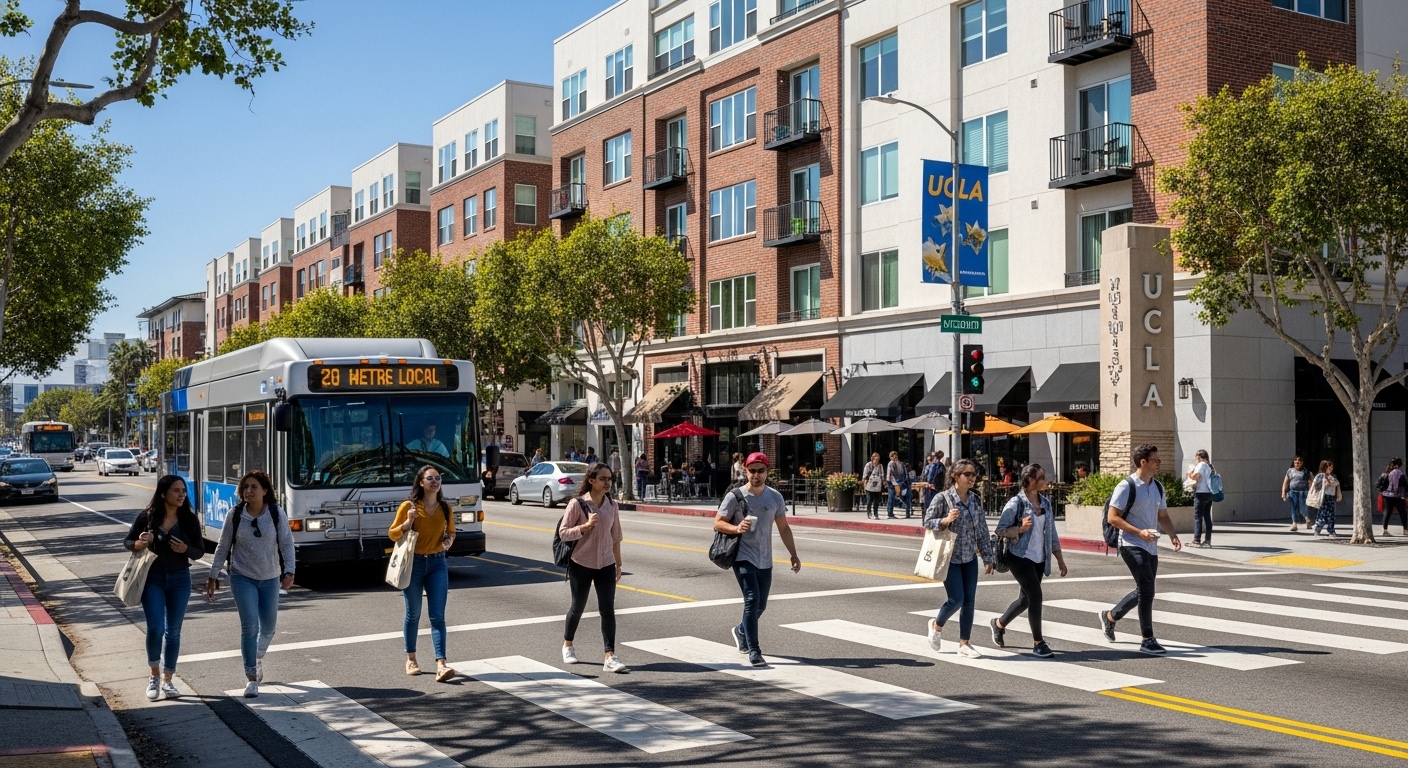
Culver City is one of the easier places on the Westside to live without driving everywhere. If you are comparing neighborhoods and want a car-light lifestyle, understanding public transportation in Culver City can help you decide faster. This guide is for young professionals, hybrid workers, students, and renters who want walkable blocks, simple commutes, and less time spent looking for parking. The key advantage here is that Culver City works like a transit “crossover” area: rail gets you across Los Angeles, and buses help with the short trips that rail does not cover. If you are still learning the area, start with this guide to living in Culver City without a car.
Key Points
- Culver City is one of the most transit-connected cities on the Westside.
- The Metro E Line provides rail access across Los Angeles.
- Local bus systems help solve first-mile and last-mile trips.
- Public transit supports a car-light lifestyle for work and errands.
- Transit access is a real factor in rental decisions, not just a bonus.
Why Culver City Is One of LA’s Most Transit-Friendly Cities
Culver City stands out because transit and walkability work together. Many LA neighborhoods have transit nearby, but you still end up driving because the station feels far from daily needs. In Culver City, a lot of everyday places sit closer together: coffee shops, grocery runs, casual dining, gyms, and small errands. That makes it easier to mix walking with transit.
Another reason is location. Culver City sits in a central Westside position, so trips often feel “shorter” than they do from more inland areas. You can head east toward job centers and Downtown, or west toward the beachside of the city. For many renters, that flexibility is the real win: you can accept plans across town without automatically needing a rideshare.
Finally, Culver City tends to have strong “station areas” where the streets feel active and walkable. When an area is easy to navigate on foot, public transit becomes more useful because you do not need a car just to get to the stop.
The Metro E Line: Culver City’s Rail Backbone
The Metro E Line (formerly called the Expo Line) is the main rail option in Culver City. It runs east and west, which is a big deal in Los Angeles because cross-town trips can be slow by car. When you take rail, you usually avoid the biggest traffic slowdowns on the road.
For residents, the E Line is most helpful for:
- Commuting east toward busier job areas and connections to other parts of LA.
- Heading west toward the Santa Monica side of the Westside.
- Reducing commute stress because the ride is more predictable than driving during rush hour.
Rail is not perfect, but it can make your schedule feel more stable. If you build a routine around it (like leaving at the same time most weekdays), you can often plan your day more clearly than you can with a car commute.
Local Bus Options and Last-Mile Transit
Rail is great for longer moves across LA, but buses are what make daily life easier. In Culver City, buses help solve the “last-mile” problem: getting from a station to your final stop, like your home, a class, or a workplace.
Here are the main roles buses play in Culver City:
- Short, local trips when a rail stop is not close enough.
- Connecting to nearby areas on the Westside where rail does not reach directly.
- Supporting errands when you do not want to drive or pay for parking.
Common bus systems you will hear about include Culver CityBus, Big Blue Bus, and LA Metro buses. You do not need to memorize every route. What matters is understanding the pattern: rail covers the big distance, and buses fill the gaps. If you are planning a car-light routine, it helps to look at a few “core” stops you use most often, like a grocery run route or a work route.
Public Transportation for Work-Life Balance
Transit affects more than your commute. It can change how your week feels. When you are not driving every day, you may spend less energy on traffic, parking, and gas. That can free up time for workouts, meal prep, or just resting after work.
Public transportation also helps with schedule flexibility. For hybrid workers, that matters a lot. If you only commute a few days each week, transit can feel like a strong “part-time” tool instead of a daily burden. It can also make it easier to separate work and home life. Many people like having a clear start and end to the workday that does not involve stressful driving.
If you are comparing neighborhoods for lifestyle reasons, this guide to best LA neighborhoods for work-life balance can help you see how Culver City fits into the bigger picture.
Getting Around Culver City Without a Car
Living car-free or car-light works best when you can combine three things:
- Walking
- Biking
- Public transportation
Culver City is a good match for that mix. Many residents do small errands on foot, then use transit for longer trips. For example, you might walk to coffee, take rail for work, then use a short bus ride for a grocery run on the way home.
Weekend plans can also be easier than people expect. If you can reach a few “core zones” by transit, you can do a lot without driving. The trick is planning your routine around the places you visit most, not around perfect coverage everywhere.
If you want ideas for building a comfortable daily routine at home (especially if you spend more time indoors because of work), this post on everyday lifestyle in Culver City apartments is a good companion read.
Public Transit vs Driving in Culver City
Some people assume driving is always faster. In Culver City, that is not always true. The real comparison depends on cost, time, and stress.
Cost: Driving often includes gas, parking fees, and wear on your car. Transit usually costs less per trip, especially if you commute often.
Time reliability: Driving time can swing a lot depending on traffic and parking. Transit can be more predictable on certain routes, especially rail.
Parking: Parking can be a hidden problem. Even if the drive is short, the time spent hunting for parking can ruin the “easy trip” feeling.
The goal is not to say transit is always better. The goal is to be realistic: if you live in a transit-friendly area, you can choose the best option for each trip instead of defaulting to a car every time.
Comparison Table: Transit-Oriented Living vs Car-Dependent Living
| Factor | Transit-Oriented Living (Culver City-style) | Car-Dependent Living |
|---|---|---|
| Monthly cost | Often lower (fewer driving expenses) | Often higher (gas, parking, maintenance) |
| Commute flexibility | Rail + bus options, easier to mix modes | Mostly limited to driving |
| Stress level | Less traffic stress on many trips | Traffic and parking can add stress |
| Daily errands | Easier if walkable + short bus options | Often requires a car for basics |
| Lifestyle impact | Supports car-light routines | Car becomes the default tool |
FAQ
Is Culver City good for public transportation?
Yes. Culver City is known for strong Westside transit access because it combines rail options (like the E Line) with multiple bus systems. If you choose housing near your main routes, it can support a car-light lifestyle.
What train line runs through Culver City?
The Metro E Line runs through Culver City and connects east and west across Los Angeles. It is one of the most useful rail lines for Westside residents.
Can you live in Culver City without a car?
Many people do, especially if they live near transit and keep their weekly routine simple. Walking, biking, rail, and buses can cover work commutes and many errands. Some residents still use rideshares for occasional trips.
How do people commute from Culver City?
Common options include taking the E Line for longer trips, using buses for local connections, and mixing walking or biking for short distances. Many commuters use a rail-plus-walk routine.
Is Culver City transit better than other LA areas?
It is stronger than many neighborhoods because of its Westside location, rail access, and bus coverage. It may not beat every single area in LA for every route, but it is one of the more practical places for car-light living.
CTA: Explore Car-Light Living in Culver City
If you like the idea of getting around without driving everywhere, the next step is seeing how your daily routes would look from where you live. Use see how easy it is to get around from Woodcliff Living to check nearby transit options and plan a commute that fits your work, school, and weekend routine.
The post Public Transportation in Culver City: What Residents Need to Know appeared first on Woodcliff Blog.
]]>