.jpg)
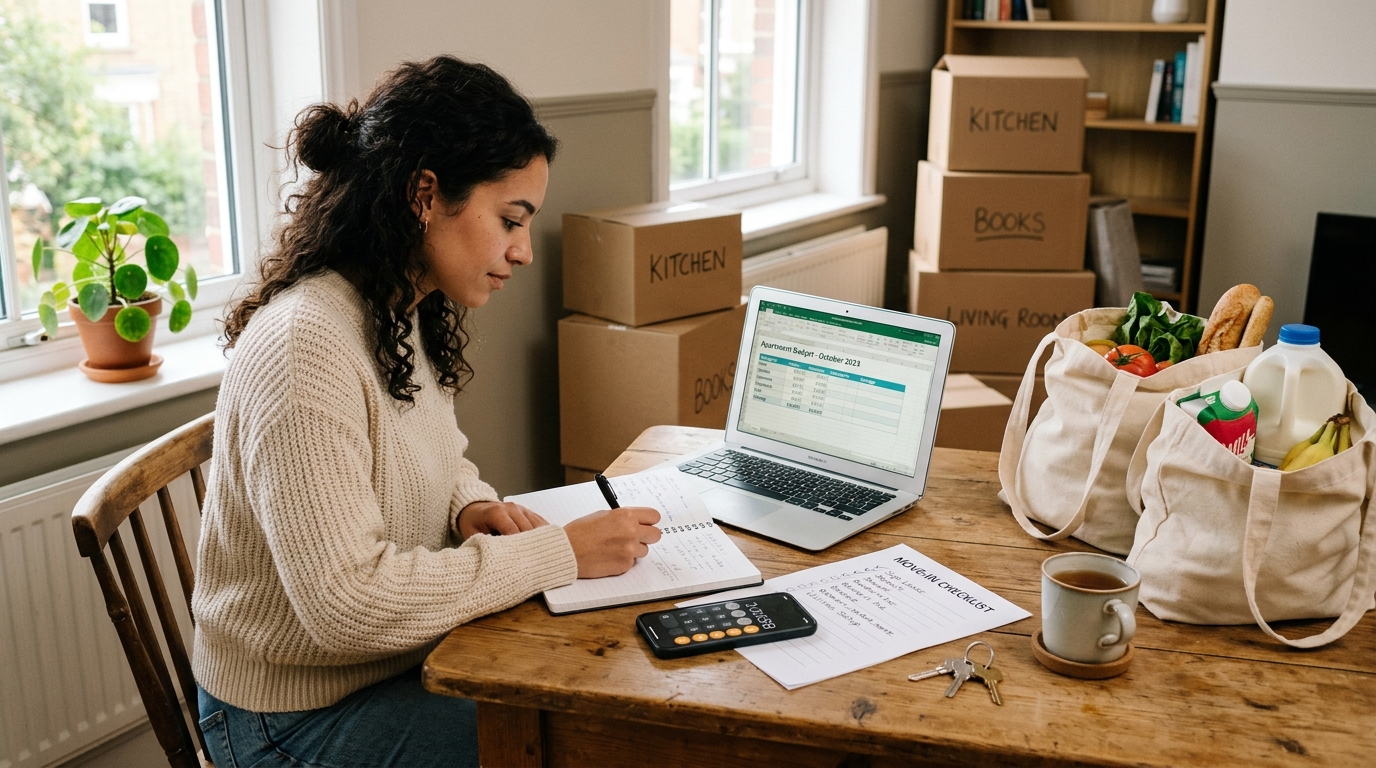
Figuring out how much to budget for your first apartment can feel stressful, especially when rent is only one part of the real cost.
Many first-time renters plan for monthly rent but forget about deposits, utilities, furniture, moving expenses, Wi-Fi, parking, groceries, renter’s insurance, and recurring monthly bills. Those apartment living costs can add up quickly once move-in day gets closer.
For renters comparing apartments in West Adams or nearby Culver City, this kind of budget planning can help you understand the full cost of rent, utilities, transportation, furniture, and move-in expenses before applying.
A realistic renter budgeting guide should help you feel prepared, not overwhelmed. The goal is to understand what you can afford before you apply, tour, or sign a lease.
This guide breaks down what renters usually wish they planned for before moving out, including move-in expenses, recurring bills, emergency savings, and lifestyle costs that can affect your monthly plan.
Quick Answer: How Much Money Do You Need for Your First Apartment?
A realistic first apartment budget should include monthly rent, a security deposit, utilities, internet, groceries, moving expenses, renter’s insurance, emergency savings, and recurring monthly bills.
Many renters need significantly more upfront cash than expected because one-time move-in charges often happen before the first full month begins.
A simple way to estimate your first apartment budget is: monthly rent + monthly bills + move-in costs + emergency savings.
That formula gives you a clearer picture of apartment affordability beyond rent alone.
First Apartment Budget Checklist: What to Include
Before signing a lease, budget for:
- Monthly rent: Your largest recurring apartment payment.
- Security deposit: Often due before move-in and separate from rent.
- Utilities: Electricity, gas, water, trash, or sewer may be separate.
- Wi-Fi: A common monthly bill for work, school, streaming, and daily use.
- Groceries: Food and household basics can change your monthly spending fast.
- Transportation: Include gas, transit, rideshare, parking, insurance, or maintenance.
- Moving expenses: Movers, trucks, boxes, and delivery fees can add up.
- Renter’s insurance: Some leases require proof before move-in.
- Emergency savings: A small cushion can help with surprise expenses.
How Much Rent Can You Actually Afford?
Many renters use the 30% income rule as a starting point, but true affordability depends on debt, transportation, lifestyle, and recurring monthly expenses.
The 30% guideline means housing is often considered affordable when rent and utilities take up no more than 30% of gross income. HUD describes affordable housing this way, but it should not be treated as a perfect rule for every renter.
What to Consider Before Choosing a Rent Limit
- Monthly income: Start with what you actually bring in each month.
- Debt payments: Student loans, credit cards, or car payments reduce flexibility.
- Transportation: A cheaper apartment may not save money if the commute costs more.
- Daily spending: Groceries, subscriptions, pets, and personal needs still matter.
- Roommates: Splitting rent can make a better location more realistic.
- Flexible spending: Leave room for unexpected expenses, not just bills.
Los Angeles rental realities can make the 30% guideline harder to follow.
If you are comparing rent and everyday expenses in the area, this guide to the cost of living in Culver City apartments can help you think through local housing costs more clearly.
One-Time Move-In Costs Many Renters Forget About
Move-in costs can easily exceed one month of rent because renters often need to pay several expenses before they even receive their keys.
This is where new renters can feel caught off guard. The apartment may fit your monthly rent limit, but the upfront total can still feel heavy if you did not plan for deposits, setup fees, furniture, and moving help.
Common Upfront Costs
- Security deposit: Usually paid before move-in and handled according to lease terms and state rules.
- Application fees: Some properties charge a fee to process applications or screening.
- Utility setup fees: Some providers may charge deposits, transfer fees, or activation costs.
- Movers or moving trucks: Even a small move can require a truck, gas, boxes, or help.
- Furniture basics: A bed, table, chair, dresser, and lamps can get expensive.
- Kitchen essentials: Pots, pans, utensils, dishes, and groceries are easy to overlook.
- Parking setup: Parking permits, assigned spaces, or garage fees may apply.
- Pet deposits or fees: Pet-related charges may apply depending on the property.
- Renter’s insurance: Some leases require it before move-in.
California Courts provides general information about security deposits, including how they may be used and returned. Because rules can change, renters should verify current requirements before signing a lease.
Monthly Apartment Costs You Should Plan For
Monthly apartment planning should include both predictable bills and flexible everyday living expenses beyond rent alone.
A clear apartment expenses checklist helps you avoid spending too much on rent and leaving too little for utilities, groceries, transportation, laundry, parking, and basic household needs.
Sample Monthly Apartment Budget Table
| Budget Category | What to Include | Why It Matters |
|---|---|---|
| Fixed expenses | Rent, Wi-Fi, renter’s insurance, parking if needed | These are predictable and should be planned first |
| Flexible expenses | Utilities, groceries, transportation, laundry, pet costs, household supplies | These can change month to month |
| Savings goals | Emergency fund, future moving costs, furniture upgrades | These help reduce financial stress |
Monthly Bills and Living Expenses to Include
- Utilities: Electricity, gas, water, trash, or sewer may not be included in rent.
- Wi-Fi: A separate internet bill is common.
- Groceries: Food costs can rise quickly without a plan.
- Subscriptions: Streaming, apps, gym memberships, and delivery services add up.
- Transportation: Include gas, transit, rideshare, car insurance, or maintenance.
- Laundry: Shared laundry, laundromats, or supplies should be included.
- Parking: Ask whether parking is included, assigned, or charged separately.
- Pet expenses: Food, grooming, pet rent, or vet care may affect your budget.
- Emergency savings: Set aside something each month, even if it is small.
- Household supplies: Cleaning items, toiletries, paper goods, and basics matter.
The California Department of Real Estate advises rental applicants to consider the monthly rent and utilities they can afford, along with required fees and deposits, before choosing a rental.
Transportation can also affect your total cost. If commute planning matters to your spending plan, this guide to public transportation in Culver City can help you compare transit access, commute needs, and car-related expenses.
How Much Should You Save Before Moving Into Your First Apartment?
Many financial experts recommend having emergency savings before renting because unexpected expenses are common during the first year of apartment living.
You do not need a huge emergency fund to start. Even a small cushion can help you avoid relying on credit cards for every surprise.
Why Emergency Savings Help
- Moving emergencies: Delays, extra supplies, or last-minute help can cost money.
- Temporary job changes: Reduced hours or job transitions can affect income.
- Unexpected repairs: You may need to replace personal items, furniture, or small appliances.
- Medical emergencies: Health expenses can happen at inconvenient times.
- Furniture replacement: Cheap starter furniture may break sooner than expected.
- Lease flexibility: Savings can help if your living situation changes later.
Start small if needed.
The important thing is to make renter savings part of your apartment finances before move-in, not something you think about only after a surprise charge happens.
Furnished vs Unfurnished Apartments and Budget Impact
Lower monthly rent does not always mean lower total costs if renters still need to furnish an apartment from scratch.
An unfurnished starter apartment may have a lower monthly price, but the move-in total can rise quickly once you buy furniture, kitchen supplies, storage items, and remote work basics.
What to Compare
- Furniture expenses: Beds, seating, desks, and dressers can cost more than expected.
- Move-in convenience: Furnished apartments can reduce setup stress.
- Starter setup: You may only need essentials at first, not a fully finished apartment.
- Short-term vs. long-term costs: Furnished housing may help short-term renters, while buying furniture may work better for longer stays.
- Remote work furniture: A desk, chair, lamp, and strong internet may be necessary.
- Storage considerations: Some furniture may not work well in smaller spaces.
Apartment essentials depend on how you actually live.
If you are comparing features and setup costs, reviewing apartment amenities designed for modern living can help you think beyond rent and consider what makes daily life easier.
Budgeting Mistakes First-Time Renters Commonly Make
Many first-time renters underestimate recurring costs and overestimate how much financial flexibility they will have after moving.
This does not mean you need to be perfect. It just means your budgeting checklist should leave room for real life.
Common Budgeting Mistakes
- Overspending on rent: A nice apartment can feel stressful if rent leaves no breathing room.
- Ignoring hidden fees: Parking, pets, utilities, and setup fees can change the total price.
- Underestimating groceries: Food costs can rise fast without planning.
- Forgetting utilities: Electricity, gas, water, trash, or sewer may be separate.
- Furnishing too quickly: Buying everything at once can drain your move-in budget.
- Skipping emergency savings: No cushion makes every surprise feel bigger.
- Ignoring annual increases: Rent, insurance, subscriptions, and utilities can rise over time.
The best approach is to choose a first place that fits your current life, not your ideal future income.
You can always upgrade later when your earnings, savings, or needs change.
Why Apartment Lifestyle and Location Affect Your Budget Too
Apartment budgeting is not just about monthly rent because location, convenience, and apartment features can affect transportation costs, lifestyle expenses, and overall quality of life.
A slightly higher rent may still make sense if the location saves commute time, reduces transportation costs, or makes daily errands easier.
Lifestyle Factors That Can Affect Costs
- Commute savings: A better location may reduce gas, transit, or rideshare spending.
- Work-life balance: Less time commuting can make daily life feel more manageable.
- Walkability: Nearby shops, cafés, or services can reduce transportation needs.
- Nearby errands: Grocery stores, pharmacies, and essentials close by can save time.
- Parking convenience: Included or easy parking can reduce stress and extra fees.
- Fitness access: On-site or nearby fitness options may reduce gym spending.
- Apartment efficiency: A practical layout can help you avoid paying for space you do not use.
Lifestyle convenience has real budget value.
If you are comparing locations, this guide to the best LA neighborhoods for work-life balance can help you think about how location affects both your schedule and your living expenses.
Exploring Apartment Options That Fit Your Budget
A realistic apartment budget helps renters choose a home that supports both their finances and everyday lifestyle comfortably.
Before applying, review your income, rent limit, move-in costs, monthly bills, and emergency savings. Then compare homes based on total cost, not just rent.
If you are looking for apartments in West Adams, think about how location, layout, amenities, and commute needs fit your spending plan.
You can also compare studio and one-bedroom apartments to see which layout makes the most sense for your first place.
Before deciding, explore what it is like living in West Adams Los Angeles and how the neighborhood supports your daily routine.
When you are ready to ask questions or compare availability, you can schedule a tour.
Frequently Asked Questions About Budgeting for Your First Apartment
How much money should renters save before getting their first apartment?
A good starting point is to save for the first month’s rent, security deposit, move-in costs, furniture basics, utilities, and emergency savings.
The exact amount depends on rent, lease terms, location, and what you already own.
Do renters usually pay utilities separately from rent?
Many renters pay at least some utilities separately, but it depends on the lease.
Ask which bills are included and which ones you must set up yourself before move-in.
Are furnished apartments cheaper overall for first-time renters?
Furnished apartments can reduce upfront furniture costs, especially for short-term renters or people moving from far away.
However, they may cost more monthly, so compare short-term savings with long-term value.
What apartment expense do renters forget most often?
Furniture and household basics are often forgotten.
Many renters remember rent and deposits but forget cookware, cleaning supplies, shower curtains, lamps, tools, and pantry basics.
Can roommates make apartments more affordable?
Yes, roommates can make rent, utilities, Wi-Fi, and household supplies more affordable.
The key is agreeing early on how bills, chores, guests, and shared items will be handled.