.jpg)
The post 1-Bedroom Plus Den Apartments: Who Are They Best For? appeared first on Woodcliff Blog.
]]>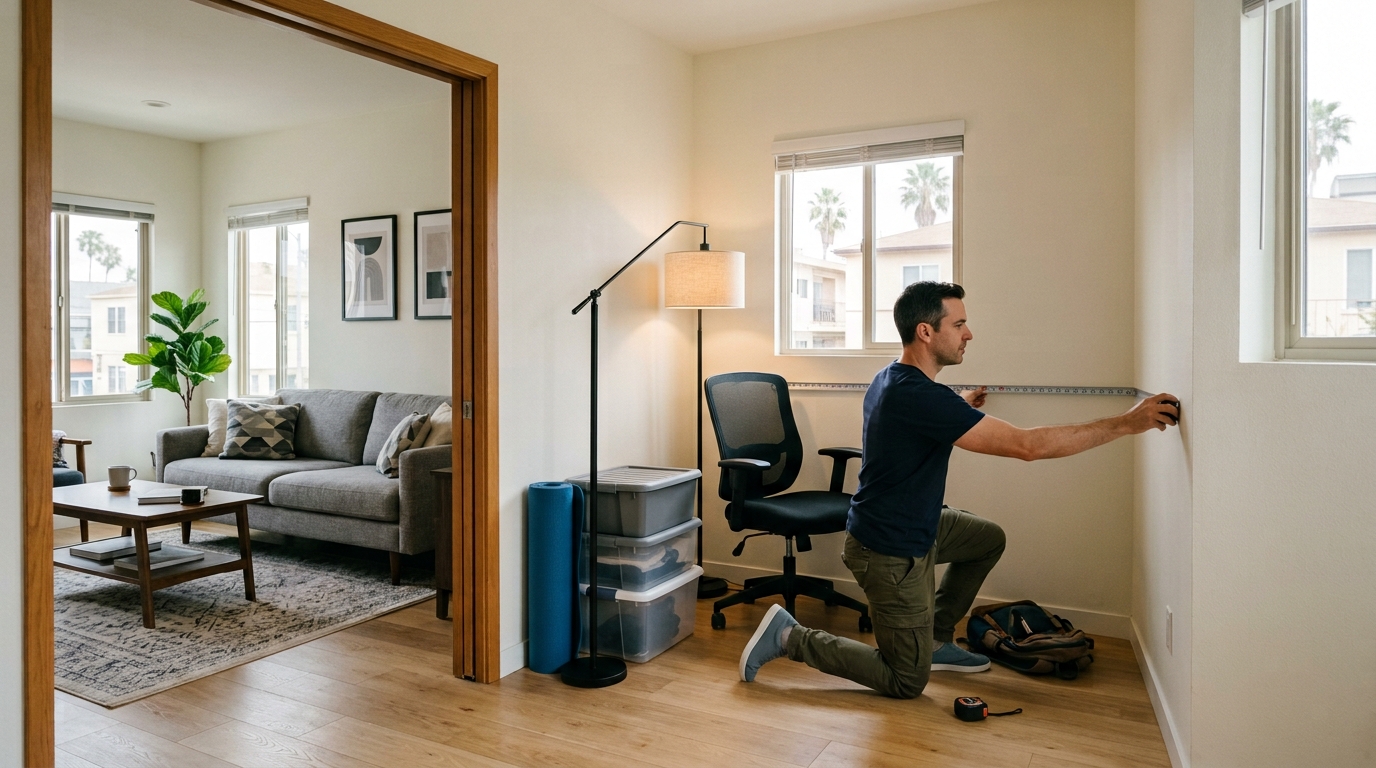
A standard one-bedroom can provide enough sleeping and living space, but it may not give you much separation for work, hobbies, storage, or ongoing projects. A den adds flexible space without changing the apartment’s official bedroom count.
For renters comparing 1-bedroom plus den apartments near Culver City, the best choice depends on how often they will actually use the extra room. Explore Woodcliff Apartments in Palms, then weigh that bonus area against a standard one-bedroom, loft, or two-bedroom.
Quick Answer: Who May Benefit From a 1-Bedroom Plus Den?
A 1-bedroom plus den apartment may work well for renters who want a separate home office, study area, hobby zone, exercise area, added storage, or secondary sitting space without moving directly to a full two-bedroom.
The extra room is most useful when it solves a regular space problem. Before choosing one, review the dimensions, floor-plan flow, bathroom arrangement, desk or storage setup, full monthly cost, and whether another home type would work just as well.
What Is a 1-Bedroom Plus Den Apartment?
One Bedroom Plus Flexible Secondary Space
A one-bedroom apartment with a den has one officially designated bedroom plus an additional bonus area. That secondary space may be enclosed or more open based on the property and individual floor plan. It should not automatically be treated as a second bedroom or assumed to meet bedroom requirements.
Before planning how you would use it, ask the leasing team about its dimensions, opening or door, windows, natural light, outlets, storage, and permitted use.
Woodcliff’s Current Den Layout
Woodcliff currently lists a 1-bedroom-plus-den floor plan with one bedroom, two bathrooms, and approximately 1,100 to 1,150 square feet. The property notes that square footage is approximate and actual dimensions and floor plans may differ by apartment.
It is a useful example of why bedroom count alone does not explain how a home functions.
Practical Ways to Use a Den
Home Office
The bonus area can separate work from the bedroom or main living room. Before treating it as an office, check whether your desk, chair, monitors, lighting, and other equipment fit comfortably. Renters planning a longer stay can also review long-term housing considerations for remote workers without making work-from-home needs the only part of the decision.
Study or Project Space
A separate area can support coursework, reading, computer work, creative projects, or other activities that are difficult to leave set up in the living room. Its value comes from keeping an ongoing project contained instead of clearing the dining table every time.
Hobby, Wellness, or Storage Space
Based on the floor plan and rental terms, the extra room might hold an art setup, craft table, light exercise equipment, shelving, seasonal belongings, or a small sitting area. Avoid planning around a use that requires an unverified closet, window, or level of sound separation.
Do You Actually Need the Den?
The extra space adds practical value when it solves a problem that comes up repeatedly. Use these questions to test whether it fits your day-to-day life:
- Need for separation: If a desk in the living room already works, a separate work area may not change your day enough to matter.
- Frequency of use: A room used most days usually offers more value than one saved for an occasional project or guest visit.
- Setup fit: Measure the desk, shelves, exercise equipment, hobby table, or storage pieces you actually plan to use.
- Cost difference: Put the full monthly price beside other available home types instead of assuming more square footage is always worthwhile.
- Alternative spaces: Consider whether community areas could cover an occasional need without requiring dedicated private space every day.
If the den is only for “maybe someday” use, it may not be worth paying for. If it solves a daily space problem, it can make a real difference.
1-Bedroom vs. Loft vs. Den vs. 2-Bedroom
Woodcliff currently lists standard one-bedroom, one-bedroom-plus-loft, one-bedroom-plus-den, and two-bedroom options. This lets renters focus on how the space works instead of choosing only by size or room count.
| Layout | How the Extra Space Functions |
|---|---|
| Standard 1-bedroom | Separate bedroom without an additional dedicated bonus room |
| 1-bedroom + loft | More open secondary area with a different level of separation |
| 1-bedroom + den | Defined adaptable space while the home remains officially one bedroom |
| 2-bedroom | Two officially designated bedrooms |
Woodcliff’s current den option is approximately 1,100 to 1,150 square feet, similar in overall size to some two-bedroom homes. Similar square footage does not mean the rooms serve the same purpose.
Look at bedroom count, privacy, bathrooms, wall placement, desk and storage fit, circulation, and full monthly cost. If you truly need a second bedroom, review the two-bedroom options instead of asking a den to serve a purpose it was not designed or permitted to serve.
Consider the Community Spaces Too
Not every need has to be solved inside the apartment. Woodcliff currently lists a two-story recreation room with Wi-Fi, a fitness center, two pools, four laundry facilities, Parcel Pending service, gated covered parking, and EV charging subject to availability and additional charges.
Review Woodcliff apartment amenities and decide which needs require private space and which could be handled elsewhere in the community.
Examples may include:
- Occasional laptop work or reading
- Exercise outside the apartment
- Time away from the main living area
Community space will not replace a private bonus room for everyone, but it can change how much dedicated space you need at home.
What Should You Check During a Tour?
A floor-plan label cannot show whether the extra room will work for your setup and schedule. During a virtual or in-person tour, check the details that affect how it functions:
- Dimensions and setup fit: Measure usable wall lengths against your desk, shelves, chair, storage pieces, or other planned items.
- Light and enclosure: Note whether the area has a door or open entry, how much daylight reaches it, and whether it provides the separation you want.
- Power and connectivity: Check outlet placement and Wi-Fi coverage if you plan to use computers or other connected devices.
- Sound and traffic flow: Consider how close the room is to the bedroom, kitchen, entry, and main living area and whether household movement would interrupt its intended use.
- Available-home details: Ask about the bathroom arrangement, square footage, current rent and required fees, select-home features, availability, and permitted use.
You can explore Woodcliff’s one-bedroom layouts virtually before touring, but online plans and images should still be checked against the available residence.
Compare 1-Bedroom Plus Den Apartments at Woodcliff
Woodcliff Apartments is in Palms, Los Angeles, near Culver City, and currently lists one-bedroom, loft, den, and two-bedroom options. If the extra room matches how you expect to work, store belongings, exercise, or unwind, schedule a tour and ask the leasing team about the available residence, current price, dimensions, features, and permitted use.
Frequently Asked Questions About 1-Bedroom Plus Den Apartments
Is a Den Considered a Second Bedroom?
Not automatically. A den is a secondary space whose design and legal classification can differ from a bedroom. Woodcliff identifies this option as one bedroom plus den.
What Can You Use an Apartment Den For?
Possible uses include a home office, study area, hobby zone, light exercise area, storage, or secondary sitting room. Ask about any use that depends on specific room features or property rules.
Is a 1-Bedroom Plus Den Better Than a 2-Bedroom?
Neither is always better. A den offers adaptable space, while a two-bedroom provides a second officially designated bedroom. Weigh privacy, function, floor-plan flow, bathroom arrangement, and total cost.
Is a Den Useful for Working From Home?
It can be if the room provides enough space and separation for your equipment and schedule. Check dimensions, outlets, lighting, internet setup, and nearby household traffic.
How Large Is Woodcliff’s 1-Bedroom-Plus-Den Layout?
Woodcliff’s current floor-plan page lists approximately 1,100 to 1,150 square feet with one bedroom and two bathrooms. Measurements are approximate, and dimensions and room arrangements may differ by residence.
Disclaimer
Floor-plan dimensions, windows, natural light, outlets, storage, pricing, deposits, features, rental terms, and availability can change or differ by apartment. A den is not automatically a second bedroom. Ask leasing office about the available residence and permitted use before applying or signing.
The post 1-Bedroom Plus Den Apartments: Who Are They Best For? appeared first on Woodcliff Blog.
]]>The post Where Remote Workers Stay Long-Term in Los Angeles appeared first on Woodcliff Blog.
]]>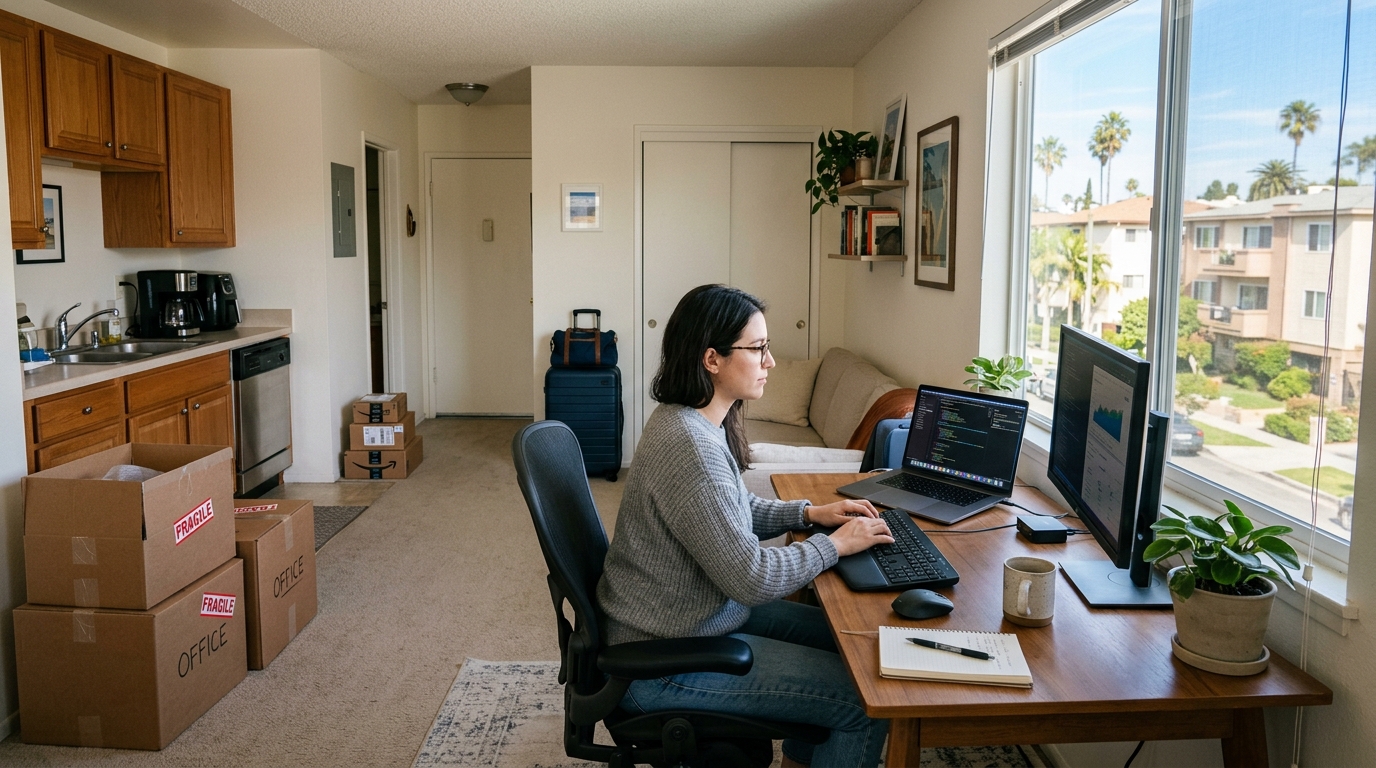
A long-term stay in Los Angeles can mean one month, six months, or a full year. That creates a housing gap: a vacation rental may offer flexibility, while a standard apartment lease may require more commitment than the renter is ready to accept.
The best long-term stays for remote workers in Los Angeles depend on more than rent. Furniture, utilities, internet, deposits, parking, workspace, maintenance, and cancellation terms can change the real cost.
This guide compares five housing formats and shows how to match them with your expected stay and daily routine.
Quick Answer: Where Do Remote Workers Stay Long-Term in LA?
Remote workers commonly compare extended-stay hotels, monthly furnished rentals, corporate housing, co-living, and apartments with flexible lease terms. A stay lasting a few weeks usually favors convenience and easy cancellation. For six months or longer, an apartment lease may provide more stability and value.
Compare the full cost, furnishings, workspace, internet, parking, deposit, and early-exit terms before deciding.
Start With How Long You Expect to Stay
Stay length should guide the housing search before neighborhood or property style.
Use these planning ranges:
- One to four weeks
- One to three months
- Three to six months
- Six to twelve months
- Longer than one year
Ask yourself:
- Is my departure date fixed?
- Could the assignment be extended?
- Am I testing LA before relocating?
- Do I need a furnished home?
- Will another person or pet join me?
- Can I commit to a lease?
- Will an employer reimburse housing?
- How much move-out flexibility do I need?
A renter with an uncertain two-month project may accept a higher monthly price for easier cancellation. Someone staying nine months may benefit from comparing a shorter apartment lease with a furnished monthly rental.
Compare the Main Long-Term Housing Options
The five main formats solve different problems. Compare setup, privacy, service, and exit terms rather than choosing from rent alone.
| Housing Format | Possible Advantages | Main Trade-Offs |
|---|---|---|
| Extended-stay hotel | Furniture, basic utilities, flexible dates, and front-desk support | Smaller living areas, limited kitchens or storage, and potentially higher monthly costs |
| Monthly vacation rental | Exact booking dates, furniture, kitchen access, and possible utility bundling | Variable fees, seasonal pricing, cancellation rules, and inconsistent workspace quality |
| Furnished apartment or corporate housing | Residential layout, lower setup burden, and possible professional maintenance | Furniture packages, utilities, deposits, and shorter-term premiums vary |
| Co-living | Furnished private room, shared facilities, and lower move-in effort | Less privacy, shared-space rules, and variable bathroom arrangements |
| Traditional apartment with a flexible lease | Greater privacy, broader layout choice, and more stable routines | Application process, furniture, utilities, deposit, and early-termination terms |
Before choosing furnished housing, ask whether it includes a desk, chair, cookware, linens, television, internet, and utilities. A listing that says “furnished” may provide only major furniture.
Woodcliff currently offers efficiency, studio, one-bedroom, loft-style, and two-bedroom formats. Dimensions, availability, and individual features vary, so compare the current studio, one-bedroom, loft, and two-bedroom layouts.
Renters considering a shorter stay can also review the requested short-term and furnished apartment options, then confirm the exact lease term and furniture package directly. Woodcliff’s current FAQ states that short-term and furnished housing may be offered when available, while lease terms vary by apartment and timing.
Match Your Stay Length to the Housing Format
These ranges are starting points, not rigid rules.
| Expected Stay | Options to Compare First | Main Priority |
|---|---|---|
| 1–4 weeks | Extended-stay hotel or furnished monthly rental | Maximum flexibility |
| 1–3 months | Monthly rental, corporate housing, or co-living | Furnished convenience |
| 3–6 months | Furnished apartment or flexible lease | Cost versus flexibility |
| 6–12 months | Furnished or unfurnished apartment lease | Long-term value |
| 12+ months | Standard apartment lease | Stability and routine |
The three- to twelve-month period requires the closest comparison. A monthly rental may be easy to enter but costly to maintain. An apartment may offer better monthly value but require furniture, utilities, a deposit, and a more structured exit.
Compare:
- Monthly premium
- Furniture and delivery
- Utilities and internet
- Deposit
- Parking and pet costs
- Lease-end date
- Extension options
- Early-termination terms
A company-paid assignment may justify a premium furnished option. A renter who already owns furniture may prefer an unfurnished apartment sooner.
Choose an LA Neighborhood for Your Daily Routine
Short visits often prioritize attractions or a temporary office. Longer stays depend more on everyday routines.
Review:
- Grocery access
- Laundry
- Parking
- Transit
- Fitness
- Package delivery
- Workday noise
- Healthcare
- Outdoor breaks
- Travel to clients or offices
Culver City has a significant creative and technology employment base that includes Sony Pictures, Amazon Studios, and Apple. Culver City Station is served by Metro’s E Line, although its usefulness depends on the property address and the trips a renter makes.
Woodcliff is on Overland Avenue in Los Angeles, near Culver City and other Westside destinations. Its official FAQ identifies nearby access to downtown Culver City, Century City, Westwood, UCLA, LMU, Santa Monica College, Beverly Hills, and Santa Monica.
Use the guide to LA neighborhoods for remote and hybrid work for a broader comparison. Renters focused on the Westside can also review how to find a Culver City apartment.
Check the Amenities That Support Long-Term Remote Work
A long amenity list does not guarantee a functional remote-work setup. Confirm how the apartment and community support a normal workweek.
- Internet availability: Ask which providers serve the exact apartment, what plans are available, and how soon installation can occur.
- Workspace dimensions: Measure whether a desk, chair, monitor, and storage fit without blocking movement.
- Noise and privacy: Consider roads, shared walls, recreation areas, and whether video calls will disturb other occupants.
- Router and outlets: Check where equipment can be placed in relation to the desk.
- Cell reception: Test calls and mobile data in the rooms you expect to use.
- Climate control: Confirm how heating and cooling are managed inside the home.
- Package service: Ask how work equipment and oversized deliveries are handled.
- Laundry: Confirm the location, hours, payment method, and likely availability.
- Parking and EV charging: Verify assignments, fees, registration, and current access.
- Maintenance support: Ask how routine requests and urgent issues are handled.
- Kitchen and storage: Make sure the apartment supports regular meals and several months of belongings.
Wi-Fi in a shared room does not automatically mean private coworking space, guaranteed quiet, or business-grade bandwidth.
Woodcliff currently lists a two-story recreation room with Wi-Fi, two pools, a fitness center, package service, community laundry facilities, gated covered parking, EV charging, and on-site management and maintenance. Some features may involve additional charges or limited availability. Review the community amenities for longer stays and verify what matters to your routine.
Compare the Total Cost and Lease Terms
Use the same categories for every option.
| Cost | Questions to Ask |
|---|---|
| Base rent | Is this the actual monthly payment before other charges? |
| Utilities | Which services are included or billed separately? |
| Furniture | What specific items are provided? |
| Internet | Is service included, or must you arrange it? |
| Deposit | Is it refundable, and what deductions may apply? |
| Cleaning | Are recurring or move-out charges required? |
| Parking and pets | What monthly charges, deposits, or restrictions apply? |
| Platform or service fees | Are they included in the quoted total? |
| Early exit | What happens if the assignment ends sooner? |
Furnished housing may work well when immediate setup matters, transporting furniture is impractical, or an employer covers the premium. Unfurnished housing may make more sense for a longer stay or when the renter already owns furniture.
California generally limits residential security deposits to one month’s rent, with a limited exception for certain qualifying small landlords. Renters should confirm the current lease and applicable law before paying.
Research the Apartment Before Committing From Afar
Remote research should narrow the options, not replace verification.
- Review the exact floor plan: Confirm dimensions, windows, storage, and workspace placement.
- Check the images: Ask whether photos show the available home or a model with different finishes.
- Request a live walkthrough: Have the leasing representative show the actual apartment, view, appliances, closets, and condition.
- Verify remote-work needs: Confirm internet providers, cell reception, daylight, outlets, and likely noise.
- Review practical systems: Ask about parking, package delivery, laundry, and maintenance.
- Confirm the furnished package: Request a written inventory of furniture, kitchenware, linens, and equipment.
- Check the full cost: Review lease dates, deposits, utilities, parking, pet charges, and early-exit terms.
- Keep written answers: Save important representations before applying or paying.
A recorded or interactive tour helps with the general layout, while a live video call can show the exact residence. Neither replaces written confirmation of pricing, features, furnishings, availability, and lease terms.
Woodcliff currently provides remote previews for studio, executive, loft, one-bedroom, and two-bedroom formats. Renters researching from another city can take a virtual apartment tour, then request a live walkthrough of the available home.
Consider Woodcliff for a Longer Culver City-Area Stay
Remote workers comparing a modern apartment community near Culver City can review Woodcliff’s efficiency, studio, one-bedroom, loft-style, and two-bedroom options, along with furnished and shorter-term housing when available. The community also lists shared Wi-Fi space, fitness and recreation amenities, parking, EV charging, package service, laundry facilities, and on-site support.
Because lease terms, furniture packages, pricing, deposits, and availability vary, confirm the full arrangement for the exact apartment when you contact the Woodcliff leasing team.
Frequently Asked Questions About Long-Term LA Stays for Remote Workers
Where Do Remote Workers Stay Long-Term in Los Angeles?
Remote workers may use extended-stay hotels, furnished monthly rentals, corporate housing, co-living, or professionally managed apartments with flexible lease terms. The right format depends on stay length, cost, furniture needs, privacy, and cancellation terms.
What Is the Best Option for a Three- to Six-Month Stay?
Furnished apartments and flexible shorter leases are often worth comparing. They may offer more stability than a vacation rental without requiring a full-year commitment. Compare deposits, utilities, furniture, parking, and early-exit terms.
Is a Monthly Rental Better Than an Apartment Lease?
A monthly rental may provide easier arrival and greater flexibility. An apartment lease may offer better value, privacy, layout choice, and predictable management over a longer period. Compare the full cost rather than rent alone.
Can Remote Workers Find Furnished Apartments Near Culver City?
Furnished apartments are available in the Culver City and West Los Angeles rental market, but inventory, furniture packages, lease lengths, pricing, and utilities vary. Confirm what is included for the exact apartment.
What Internet Speed Does a Remote Worker Need?
There is no single speed for every worker. Video meetings, uploads, cloud applications, multiple devices, and household size affect the requirement. Confirm the provider and plan available at the address.
What Amenities Matter for a Long-Term Remote-Work Stay?
Prioritize reliable internet, a functional workspace, climate control, package handling, laundry, parking or transit, maintenance, a practical kitchen, and storage. Fitness or recreation spaces matter when they fit the resident’s routine.
The post Where Remote Workers Stay Long-Term in Los Angeles appeared first on Woodcliff Blog.
]]>The post Is Culver City Expensive? Rent, Lifestyle, and Apartment Costs Explained appeared first on Woodcliff Blog.
]]>
Many renters ask the same question before moving to the area: is Culver City expensive?
The honest answer is that living in Culver City can cost more than many places in the U.S., especially when housing is part of the conversation. Still, cost alone does not tell the full story.
Culver City, CA is known for its location, dining, entertainment, job access, and connection to the larger Los Angeles area. For some renters, those lifestyle benefits can help balance the higher apartment and daily living costs.
For renters comparing modern apartment living in Culver City, it helps to understand the full cost picture before narrowing down floor plans.
Quick Answer: Is Culver City Expensive?
Yes, Culver City is generally considered expensive compared with the national average, especially because housing and rent tend to be major monthly costs. The cost of living in Culver can feel higher for renters who need a larger apartment, parking, frequent driving, or extra lifestyle spending. However, the total cost depends on your budget, commute, apartment size, transportation habits, and priorities. Some renters may find the higher costs worthwhile because of local convenience, access to jobs, dining, recreation, and public transportation.
Why Culver City Is Considered One of the More Desirable Places to Live
Culver City is often viewed as one of the more desirable places to live in Los Angeles County because it offers a mix of location, convenience, and lifestyle access.
The area sits near major Westside destinations, employment centers, restaurants, entertainment, and cultural spots. For many renters, that makes the neighbourhood feel practical for both work and daily life.
People who live in Culver often value:
- Location access: The area can work well for renters who want to stay connected to the Westside and other parts of Los Angeles.
- Dining and entertainment: Local restaurants, cafes, and cultural destinations can make the area feel active and convenient.
- Transportation options: Depending on the exact location, residents may be able to use transit, walking routes, biking, or shorter drives.
- Job opportunities: The nearby job market can appeal to renters working in entertainment, media, tech, healthcare, education, and professional services.
- Lifestyle fit: Culver City can offer a balance of city access and neighborhood convenience.
These benefits help explain why costs in the area may feel higher. Demand often follows convenience.
What Is the Average Rent in Culver City?
Culver City average rent can vary depending on apartment size, building type, amenities, location, and current market conditions.
A one-bedroom apartment in Culver City will usually have a different price range than a two-bedroom home. Rent prices can also fluctuate based on availability, lease timing, included features, and whether the home is close to transit, restaurants, or major employment areas.
Because averages change often, average rent in Culver City should be treated as a planning benchmark rather than a guaranteed monthly price. Before making a decision, renters should compare current listings, included features, and the total monthly cost.
If you are comparing options, review available apartment floor plans in Culver City to see how layout, space, and availability may affect your budget.
Why Rent Can Change by Apartment Type
Rent in Culver City is not the same for every home.
Two apartments in the same area may have different pricing depending on layout, age of the building, location, amenities, parking, and lease timing.
Common pricing factors include:
- Bedroom count: A studio, one-bedroom, and two-bedroom layout can each have different pricing expectations.
- Included features: Parking, in-unit laundry, outdoor space, or updated finishes may affect the average price.
- Location: Homes within walking distance of transit, dining, or work areas may cost more.
- Building amenities: Fitness areas, shared lounges, package systems, and parking can influence value.
- Market timing: Prices have increased in many competitive rental markets over time, but local conditions can shift.
The median or average monthly number can help with planning, but it should not replace checking current apartment availability.
Housing Costs Beyond Rent
Rent is usually the largest housing expense, but it is not the only cost renters should plan for.
Housing costs may also include utility bills, internet, parking, renter’s insurance, deposits, application fees, furnishings, and move-in costs. These out-of-pocket expenses can add up quickly, especially for first-time renters or people relocating from outside the area.
Common housing expenses may include:
- Utilities: Electricity, gas, water, trash, or sewer may be included or billed separately depending on the property.
- Internet: Remote workers, students, and streaming households should include this in the monthly budget.
- Parking: Some apartments may include parking, while others may charge separately or have limited availability.
- Insurance: Renter’s insurance may be required or strongly recommended.
- Move-in costs: Deposits, first month’s payment, pet fees, and professional moving costs can affect the upfront budget.
- Furnishings: New furniture, kitchen supplies, lighting, and storage can increase the initial cost of housing.
Before applying, ask what is included and what is separate. Housing and utilities should be reviewed together because they shape the real monthly cost.
Transportation Costs and Daily Commuting
Transportation can change how expensive Culver City feels.
Some renters may spend less on transportation if they live near work, transit, grocery stores, restaurants, or everyday errands. Others may need to budget for gas prices, parking, insurance, rideshare, or longer commute patterns.
Culver City has access to public transportation options, including Metro service and Culver CityBus routes. For some renters, that can reduce dependence on driving, especially if daily destinations are near transit stops.
Transportation expenses to consider include:
- Public transportation: Transit can be helpful for commuters who live near useful routes.
- Metro access: Depending on your location, Metro may support trips around Culver City and beyond.
- Gas and parking: Driving can add costs through fuel, parking, and vehicle upkeep.
- Commute time: A shorter commute can save time and reduce daily stress.
- Walking or biking: Living near errands, cafes, and services can reduce short car trips.
A commuter should compare both money and time. A slightly higher apartment cost may feel more reasonable if it reduces transportation expenses and makes the week easier.
Grocery, Healthcare, and Everyday Living Expenses
Daily costs also affect the overall cost of living.
A grocery budget can vary widely based on household size, diet, shopping habits, and whether someone eats out often. Healthcare, health insurance, childcare, personal care, and recreation can also affect how much a renter spends each month.
Common everyday cost categories include:
- Grocery spending: Food costs depend on shopping habits, household size, and meal planning.
- Healthcare: Insurance premiums, prescriptions, visits, and out-of-pocket expenses should be included.
- Childcare: This may be a major cost for some households, though not every renter needs it.
- Utilities: Electricity, gas, internet, and water can vary by season and apartment setup.
- Personal spending: Dining, fitness, subscriptions, shopping, and entertainment can change the final budget.
These costs are why rent alone is not enough. A realistic monthly plan should include the full lifestyle picture.
How Culver City Compares to the National Average
Culver City often costs more than the national average, especially when comparing housing.
That does not mean every renter will experience the same cost pressure. A person’s salary, household size, transportation needs, and apartment choice can all change the final picture.
Online tools such as a cost of living calculator can be useful starting points, but they should not be treated as the final answer. A calculator may use broad data, average price ranges, or zip codes that do not reflect a specific apartment, commute, or lifestyle.
When you compare Culver City, consider:
- Housing: The cost of housing is often the biggest difference from the national average.
- Income: Median household income and salary expectations may be different from U.S. averages.
- Transportation: Some renters may save money through shorter commutes or transit access.
- Lifestyle: Dining, recreation, and entertainment choices can raise or lower monthly spending.
- Apartment type: A smaller home may fit one budget, while a larger layout may change affordability.
A cost of living index or cost of living score can provide context, but your personal budget matters more.
Is Culver City Worth the Cost?
Culver City may be worth the cost for renters who value convenience, location, and lifestyle access.
The area can appeal to renters who want access to dining, outdoor activities, job market opportunities, entertainment, and nearby Los Angeles destinations. For some, living close to work, transit, or everyday services may reduce stress enough to justify higher costs.
For others, the overall cost of living may feel too high if housing, transportation, and lifestyle spending stretch the budget.
Culver City may be a good fit if:
- You value convenience: Daily errands, restaurants, and services may be easier to access.
- Your commute works: A practical route to work can make the area more valuable.
- You enjoy recreation: Parks, cultural spots, dining, and outdoor activities can support weekend plans.
- Your budget supports it: The area may be more comfortable if housing costs leave room for other needs.
- You want a connected location: The area works well for renters who want access around Culver City and nearby Westside destinations.
Renters comparing broader market context may also see references to homes for sale in Culver or median home prices, but this article is focused on renters. For apartment seekers, monthly housing costs and lifestyle fit matter more than home sale data.
For a deeper planning breakdown, review this full guide to the cost of living in Culver City apartments.
How Renters Can Create a Realistic Budget for Culver City
A realistic budget should include more than the listed rent.
A common rule of thumb is to keep housing within a manageable share of income, but that number should be adjusted based on personal priorities, debt, savings goals, transportation needs, and lifestyle choices.
To create a realistic budget, start with the total cost of your expected month.
Include these expense categories:
- Rent: Start with the monthly apartment cost.
- Utilities: Add electricity, gas, water, trash, or internet if separate.
- Groceries: Estimate regular grocery spending and dining habits.
- Transportation: Include gas, transit, parking, insurance, or rideshare.
- Healthcare: Add health insurance, prescriptions, and possible visits.
- Moving costs: Plan for deposits, application fees, and professional moving if needed.
- Personal spending: Include recreation, subscriptions, shopping, and savings.
- Emergency buffer: Leave room for unexpected costs.
This approach gives renters a more accurate view than looking at rent alone. It also helps compare whether a lower-cost apartment with a longer commute is actually better than a higher-cost home with more convenience.
Apartment Costs to Compare Before You Apply
Before applying for an apartment, compare the full cost and the practical value of each option.
A rental that looks affordable at first may become more expensive if utilities, parking, and commute costs are high. A higher-priced home may be more reasonable if it includes useful features or reduces everyday travel.
Use this checklist before applying:
- Monthly rent: Confirm the current price and lease terms.
- Utilities: Ask what is included and what is billed separately.
- Internet: Check whether it is included or arranged by the renter.
- Parking: Ask about availability, monthly fees, and guest parking.
- Move-in costs: Review deposits, fees, and timing.
- Amenities: Focus on the amenity features you will actually use.
- Commute: Compare travel time to work, school, or daily destinations.
- Neighbourhood fit: Think about noise, access, walkability, and routine.
- Lifestyle spending: Estimate dining, recreation, and personal expenses.
- Total cost: Add everything together before deciding.
This is especially helpful for renters trying to find an apartment that supports both lifestyle and financial comfort.
Explore Apartment Living in Culver City
So, is Culver City expensive? For many renters, yes, it can be higher than the national average, especially when housing is part of the budget.
But cost is only one side of the decision. The right apartment should also support your commute, daily routine, lifestyle, and long-term comfort.
If you are comparing housing options in Culver City, take time to review current availability, floor plans, utilities, and move-in details. When you are ready to take the next step, schedule a tour and explore apartment availability to see which options fit your needs.
Frequently Asked Questions About Living in Culver City
Is Culver City more expensive than the national average?
Yes, Culver City is generally higher than the national average, especially for housing. However, the total cost depends on apartment size, commute, utilities, transportation needs, and lifestyle choices.
What is the average rent in Culver City?
The average rent in Culver City changes based on apartment size, building type, location, amenities, and market timing. Renters should check current listings and compare one-bedroom and two-bedroom options before deciding.
How much should renters budget per month in Culver City?
Renters should budget for rent, utilities, groceries, transportation, healthcare, insurance, parking, internet, and personal expenses. The right amount depends on income, household size, commute, and lifestyle.
Are transportation costs lower in Culver City?
Transportation costs may be lower for some renters if they live near work, transit, errands, or public transportation. Renters who drive often should still plan for gas, parking, insurance, and maintenance.
Is Culver City a good place to live for commuters?
Culver City can be a practical place for some commuters because of its location and transportation access. The fit depends on your workplace, schedule, route, and whether you drive, use transit, bike, or walk.
What factors affect housing costs in Culver City?
Housing costs can depend on apartment size, location, amenities, parking, building features, lease timing, and current availability. Renters should compare the full monthly cost instead of looking at rent alone.
Source / Accuracy Note
This guide was created to help renters understand whether Culver City is expensive using local context, official property information, renter-focused planning, and relevant source references, including public rent-market data, U.S. Census income context, and local transportation resources. Rental prices, availability, amenities, commute times, transit schedules, business hours, policies, and local conditions can change, so readers should verify current details before making a decision.
The post Is Culver City Expensive? Rent, Lifestyle, and Apartment Costs Explained appeared first on Woodcliff Blog.
]]>The post How Much Should You Budget for Your First Apartment? appeared first on Woodcliff Blog.
]]>
Figuring out how much to budget for your first apartment can feel stressful, especially when rent is only one part of the real cost.
Many first-time renters plan for monthly rent but forget about deposits, utilities, furniture, moving expenses, Wi-Fi, parking, groceries, renter’s insurance, and recurring monthly bills. Those apartment living costs can add up quickly once move-in day gets closer.
For renters comparing apartments in West Adams or nearby Culver City, this kind of budget planning can help you understand the full cost of rent, utilities, transportation, furniture, and move-in expenses before applying.
A realistic renter budgeting guide should help you feel prepared, not overwhelmed. The goal is to understand what you can afford before you apply, tour, or sign a lease.
This guide breaks down what renters usually wish they planned for before moving out, including move-in expenses, recurring bills, emergency savings, and lifestyle costs that can affect your monthly plan.
Quick Answer: How Much Money Do You Need for Your First Apartment?
A realistic first apartment budget should include monthly rent, a security deposit, utilities, internet, groceries, moving expenses, renter’s insurance, emergency savings, and recurring monthly bills.
Many renters need significantly more upfront cash than expected because one-time move-in charges often happen before the first full month begins.
A simple way to estimate your first apartment budget is: monthly rent + monthly bills + move-in costs + emergency savings.
That formula gives you a clearer picture of apartment affordability beyond rent alone.
First Apartment Budget Checklist: What to Include
Before signing a lease, budget for:
- Monthly rent: Your largest recurring apartment payment.
- Security deposit: Often due before move-in and separate from rent.
- Utilities: Electricity, gas, water, trash, or sewer may be separate.
- Wi-Fi: A common monthly bill for work, school, streaming, and daily use.
- Groceries: Food and household basics can change your monthly spending fast.
- Transportation: Include gas, transit, rideshare, parking, insurance, or maintenance.
- Moving expenses: Movers, trucks, boxes, and delivery fees can add up.
- Renter’s insurance: Some leases require proof before move-in.
- Emergency savings: A small cushion can help with surprise expenses.
How Much Rent Can You Actually Afford?
Many renters use the 30% income rule as a starting point, but true affordability depends on debt, transportation, lifestyle, and recurring monthly expenses.
The 30% guideline means housing is often considered affordable when rent and utilities take up no more than 30% of gross income. HUD describes affordable housing this way, but it should not be treated as a perfect rule for every renter.
What to Consider Before Choosing a Rent Limit
- Monthly income: Start with what you actually bring in each month.
- Debt payments: Student loans, credit cards, or car payments reduce flexibility.
- Transportation: A cheaper apartment may not save money if the commute costs more.
- Daily spending: Groceries, subscriptions, pets, and personal needs still matter.
- Roommates: Splitting rent can make a better location more realistic.
- Flexible spending: Leave room for unexpected expenses, not just bills.
Los Angeles rental realities can make the 30% guideline harder to follow.
If you are comparing rent and everyday expenses in the area, this guide to the cost of living in Culver City apartments can help you think through local housing costs more clearly.
One-Time Move-In Costs Many Renters Forget About
Move-in costs can easily exceed one month of rent because renters often need to pay several expenses before they even receive their keys.
This is where new renters can feel caught off guard. The apartment may fit your monthly rent limit, but the upfront total can still feel heavy if you did not plan for deposits, setup fees, furniture, and moving help.
Common Upfront Costs
- Security deposit: Usually paid before move-in and handled according to lease terms and state rules.
- Application fees: Some properties charge a fee to process applications or screening.
- Utility setup fees: Some providers may charge deposits, transfer fees, or activation costs.
- Movers or moving trucks: Even a small move can require a truck, gas, boxes, or help.
- Furniture basics: A bed, table, chair, dresser, and lamps can get expensive.
- Kitchen essentials: Pots, pans, utensils, dishes, and groceries are easy to overlook.
- Parking setup: Parking permits, assigned spaces, or garage fees may apply.
- Pet deposits or fees: Pet-related charges may apply depending on the property.
- Renter’s insurance: Some leases require it before move-in.
California Courts provides general information about security deposits, including how they may be used and returned. Because rules can change, renters should verify current requirements before signing a lease.
Monthly Apartment Costs You Should Plan For
Monthly apartment planning should include both predictable bills and flexible everyday living expenses beyond rent alone.
A clear apartment expenses checklist helps you avoid spending too much on rent and leaving too little for utilities, groceries, transportation, laundry, parking, and basic household needs.
Sample Monthly Apartment Budget Table
| Budget Category | What to Include | Why It Matters |
|---|---|---|
| Fixed expenses | Rent, Wi-Fi, renter’s insurance, parking if needed | These are predictable and should be planned first |
| Flexible expenses | Utilities, groceries, transportation, laundry, pet costs, household supplies | These can change month to month |
| Savings goals | Emergency fund, future moving costs, furniture upgrades | These help reduce financial stress |
Monthly Bills and Living Expenses to Include
- Utilities: Electricity, gas, water, trash, or sewer may not be included in rent.
- Wi-Fi: A separate internet bill is common.
- Groceries: Food costs can rise quickly without a plan.
- Subscriptions: Streaming, apps, gym memberships, and delivery services add up.
- Transportation: Include gas, transit, rideshare, car insurance, or maintenance.
- Laundry: Shared laundry, laundromats, or supplies should be included.
- Parking: Ask whether parking is included, assigned, or charged separately.
- Pet expenses: Food, grooming, pet rent, or vet care may affect your budget.
- Emergency savings: Set aside something each month, even if it is small.
- Household supplies: Cleaning items, toiletries, paper goods, and basics matter.
The California Department of Real Estate advises rental applicants to consider the monthly rent and utilities they can afford, along with required fees and deposits, before choosing a rental.
Transportation can also affect your total cost. If commute planning matters to your spending plan, this guide to public transportation in Culver City can help you compare transit access, commute needs, and car-related expenses.
How Much Should You Save Before Moving Into Your First Apartment?
Many financial experts recommend having emergency savings before renting because unexpected expenses are common during the first year of apartment living.
You do not need a huge emergency fund to start. Even a small cushion can help you avoid relying on credit cards for every surprise.
Why Emergency Savings Help
- Moving emergencies: Delays, extra supplies, or last-minute help can cost money.
- Temporary job changes: Reduced hours or job transitions can affect income.
- Unexpected repairs: You may need to replace personal items, furniture, or small appliances.
- Medical emergencies: Health expenses can happen at inconvenient times.
- Furniture replacement: Cheap starter furniture may break sooner than expected.
- Lease flexibility: Savings can help if your living situation changes later.
Start small if needed.
The important thing is to make renter savings part of your apartment finances before move-in, not something you think about only after a surprise charge happens.
Furnished vs Unfurnished Apartments and Budget Impact
Lower monthly rent does not always mean lower total costs if renters still need to furnish an apartment from scratch.
An unfurnished starter apartment may have a lower monthly price, but the move-in total can rise quickly once you buy furniture, kitchen supplies, storage items, and remote work basics.
What to Compare
- Furniture expenses: Beds, seating, desks, and dressers can cost more than expected.
- Move-in convenience: Furnished apartments can reduce setup stress.
- Starter setup: You may only need essentials at first, not a fully finished apartment.
- Short-term vs. long-term costs: Furnished housing may help short-term renters, while buying furniture may work better for longer stays.
- Remote work furniture: A desk, chair, lamp, and strong internet may be necessary.
- Storage considerations: Some furniture may not work well in smaller spaces.
Apartment essentials depend on how you actually live.
If you are comparing features and setup costs, reviewing apartment amenities designed for modern living can help you think beyond rent and consider what makes daily life easier.
Budgeting Mistakes First-Time Renters Commonly Make
Many first-time renters underestimate recurring costs and overestimate how much financial flexibility they will have after moving.
This does not mean you need to be perfect. It just means your budgeting checklist should leave room for real life.
Common Budgeting Mistakes
- Overspending on rent: A nice apartment can feel stressful if rent leaves no breathing room.
- Ignoring hidden fees: Parking, pets, utilities, and setup fees can change the total price.
- Underestimating groceries: Food costs can rise fast without planning.
- Forgetting utilities: Electricity, gas, water, trash, or sewer may be separate.
- Furnishing too quickly: Buying everything at once can drain your move-in budget.
- Skipping emergency savings: No cushion makes every surprise feel bigger.
- Ignoring annual increases: Rent, insurance, subscriptions, and utilities can rise over time.
The best approach is to choose a first place that fits your current life, not your ideal future income.
You can always upgrade later when your earnings, savings, or needs change.
Why Apartment Lifestyle and Location Affect Your Budget Too
Apartment budgeting is not just about monthly rent because location, convenience, and apartment features can affect transportation costs, lifestyle expenses, and overall quality of life.
A slightly higher rent may still make sense if the location saves commute time, reduces transportation costs, or makes daily errands easier.
Lifestyle Factors That Can Affect Costs
- Commute savings: A better location may reduce gas, transit, or rideshare spending.
- Work-life balance: Less time commuting can make daily life feel more manageable.
- Walkability: Nearby shops, cafés, or services can reduce transportation needs.
- Nearby errands: Grocery stores, pharmacies, and essentials close by can save time.
- Parking convenience: Included or easy parking can reduce stress and extra fees.
- Fitness access: On-site or nearby fitness options may reduce gym spending.
- Apartment efficiency: A practical layout can help you avoid paying for space you do not use.
Lifestyle convenience has real budget value.
If you are comparing locations, this guide to the best LA neighborhoods for work-life balance can help you think about how location affects both your schedule and your living expenses.
Exploring Apartment Options That Fit Your Budget
A realistic apartment budget helps renters choose a home that supports both their finances and everyday lifestyle comfortably.
Before applying, review your income, rent limit, move-in costs, monthly bills, and emergency savings. Then compare homes based on total cost, not just rent.
If you are looking for apartments in West Adams, think about how location, layout, amenities, and commute needs fit your spending plan.
You can also compare studio and one-bedroom apartments to see which layout makes the most sense for your first place.
Before deciding, explore what it is like living in West Adams Los Angeles and how the neighborhood supports your daily routine.
When you are ready to ask questions or compare availability, you can schedule a tour.
Frequently Asked Questions About Budgeting for Your First Apartment
How much money should renters save before getting their first apartment?
A good starting point is to save for the first month’s rent, security deposit, move-in costs, furniture basics, utilities, and emergency savings.
The exact amount depends on rent, lease terms, location, and what you already own.
Do renters usually pay utilities separately from rent?
Many renters pay at least some utilities separately, but it depends on the lease.
Ask which bills are included and which ones you must set up yourself before move-in.
Are furnished apartments cheaper overall for first-time renters?
Furnished apartments can reduce upfront furniture costs, especially for short-term renters or people moving from far away.
However, they may cost more monthly, so compare short-term savings with long-term value.
What apartment expense do renters forget most often?
Furniture and household basics are often forgotten.
Many renters remember rent and deposits but forget cookware, cleaning supplies, shower curtains, lamps, tools, and pantry basics.
Can roommates make apartments more affordable?
Yes, roommates can make rent, utilities, Wi-Fi, and household supplies more affordable.
The key is agreeing early on how bills, chores, guests, and shared items will be handled.
The post How Much Should You Budget for Your First Apartment? appeared first on Woodcliff Blog.
]]>The post Cost of Living in Culver City Apartments: What Renters Should Expect appeared first on Woodcliff Blog.
]]>
If you are searching for apartments in Culver City, one of the first things you need to understand is the cost. Rent prices, monthly expenses, and lifestyle factors can vary, so having a clear idea of what to expect helps you plan better and avoid surprises.
Culver City is known for its central location, strong job market, and vibrant lifestyle. This makes it a popular choice for renters, but it also means prices can be higher compared to nearby areas.
In this guide, you will learn about average rent, monthly costs, and how to find an apartment that fits your budget.
Average Rent Prices in Culver City
Rent in Culver City can vary depending on the building, location, and amenities. However, there are general price ranges that renters can expect.
- Studio: typically $1,800–$2,400
- 1-bedroom: typically $2,300–$3,200
- 2-bedroom: typically $2,600–$4,500+
Prices may be higher for newer buildings or apartments with upgraded features. Units closer to major business areas or popular neighborhoods also tend to cost more.
What You Get for Your Budget
The type of apartment you get in Culver City depends heavily on your budget. Understanding these tiers can help you set realistic expectations before you start your search.
Lower Budget
- Older buildings
- Basic layouts and finishes
- Limited or no amenities
- May be farther from main areas
Mid-Range Budget
- Updated interiors
- Better location access
- Some amenities like parking or shared spaces
- Balanced value for cost
Higher-End Budget
- Modern apartments with upgraded finishes
- Prime locations near restaurants and offices
- Access to amenities like gyms, lounges, or secure parking
- More spacious layouts
If you want a deeper understanding of the area and what it offers, this guide on living in Culver City can help you explore the neighborhood further.
Monthly Expenses Beyond Rent
Rent is only part of your total cost. It is important to consider additional monthly expenses when budgeting for an apartment in Culver City.
- Utilities (electricity, water, gas)
- Parking fees
- Internet and cable
- Pet fees (if applicable)
- Security deposit (one-time, but important upfront cost)
These costs can add a few hundred dollars to your monthly budget, so it is important to plan accordingly.
Is Culver City Worth the Cost?
Culver City is often considered worth the cost because of its location, job opportunities, and lifestyle.
- Central location with easy access to Los Angeles
- Strong job market, especially in tech and media
- Walkable areas with restaurants, shops, and entertainment
While rent may be higher, many renters find that the convenience and lifestyle benefits make up for the cost.
Tips for Finding an Apartment Within Your Budget
Finding the right apartment in Culver City requires planning and a clear strategy.
- Set a clear budget before you start searching
- Compare multiple listings instead of choosing the first option
- Look at total monthly cost, not just rent
- Schedule tours early to secure better options
If you are starting your search, this guide on find your ideal Culver City apartment can help you take the next steps with confidence.
Find Apartments That Fit Your Budget in Culver City
Understanding the cost of living in Culver City apartments helps you make smarter decisions and avoid unnecessary stress during your search. With the right planning, you can find a space that fits both your lifestyle and your budget.
If you are ready to explore your options, browse apartments in Culver City and discover a community that offers comfort, convenience, and value in one of Los Angeles’ most desirable neighborhoods.
FAQs
How much is rent in Culver City?
Rent typically ranges from around $1,800 for studios to over $4,500 for larger units, depending on location and amenities.
Is Culver City expensive to live in?
Yes, Culver City is considered more expensive than some nearby areas, but it offers strong value through location and lifestyle benefits.
What is included in apartment rent?
This varies by property, but rent may include basic maintenance and access to certain amenities. Utilities are often separate.
Are utilities included in Culver City apartments?
In most cases, utilities are not included and are paid separately, though some buildings may include select services.
The post Cost of Living in Culver City Apartments: What Renters Should Expect appeared first on Woodcliff Blog.
]]>The post Public Transportation in Culver City: What Residents Need to Know appeared first on Woodcliff Blog.
]]>
Culver City is one of the easier places on the Westside to live without driving everywhere. If you are comparing neighborhoods and want a car-light lifestyle, understanding public transportation in Culver City can help you decide faster. This guide is for young professionals, hybrid workers, students, and renters who want walkable blocks, simple commutes, and less time spent looking for parking. The key advantage here is that Culver City works like a transit “crossover” area: rail gets you across Los Angeles, and buses help with the short trips that rail does not cover. If you are still learning the area, start with this guide to living in Culver City without a car.
Key Points
- Culver City is one of the most transit-connected cities on the Westside.
- The Metro E Line provides rail access across Los Angeles.
- Local bus systems help solve first-mile and last-mile trips.
- Public transit supports a car-light lifestyle for work and errands.
- Transit access is a real factor in rental decisions, not just a bonus.
Why Culver City Is One of LA’s Most Transit-Friendly Cities
Culver City stands out because transit and walkability work together. Many LA neighborhoods have transit nearby, but you still end up driving because the station feels far from daily needs. In Culver City, a lot of everyday places sit closer together: coffee shops, grocery runs, casual dining, gyms, and small errands. That makes it easier to mix walking with transit.
Another reason is location. Culver City sits in a central Westside position, so trips often feel “shorter” than they do from more inland areas. You can head east toward job centers and Downtown, or west toward the beachside of the city. For many renters, that flexibility is the real win: you can accept plans across town without automatically needing a rideshare.
Finally, Culver City tends to have strong “station areas” where the streets feel active and walkable. When an area is easy to navigate on foot, public transit becomes more useful because you do not need a car just to get to the stop.
The Metro E Line: Culver City’s Rail Backbone
The Metro E Line (formerly called the Expo Line) is the main rail option in Culver City. It runs east and west, which is a big deal in Los Angeles because cross-town trips can be slow by car. When you take rail, you usually avoid the biggest traffic slowdowns on the road.
For residents, the E Line is most helpful for:
- Commuting east toward busier job areas and connections to other parts of LA.
- Heading west toward the Santa Monica side of the Westside.
- Reducing commute stress because the ride is more predictable than driving during rush hour.
Rail is not perfect, but it can make your schedule feel more stable. If you build a routine around it (like leaving at the same time most weekdays), you can often plan your day more clearly than you can with a car commute.
Local Bus Options and Last-Mile Transit
Rail is great for longer moves across LA, but buses are what make daily life easier. In Culver City, buses help solve the “last-mile” problem: getting from a station to your final stop, like your home, a class, or a workplace.
Here are the main roles buses play in Culver City:
- Short, local trips when a rail stop is not close enough.
- Connecting to nearby areas on the Westside where rail does not reach directly.
- Supporting errands when you do not want to drive or pay for parking.
Common bus systems you will hear about include Culver CityBus, Big Blue Bus, and LA Metro buses. You do not need to memorize every route. What matters is understanding the pattern: rail covers the big distance, and buses fill the gaps. If you are planning a car-light routine, it helps to look at a few “core” stops you use most often, like a grocery run route or a work route.
Public Transportation for Work-Life Balance
Transit affects more than your commute. It can change how your week feels. When you are not driving every day, you may spend less energy on traffic, parking, and gas. That can free up time for workouts, meal prep, or just resting after work.
Public transportation also helps with schedule flexibility. For hybrid workers, that matters a lot. If you only commute a few days each week, transit can feel like a strong “part-time” tool instead of a daily burden. It can also make it easier to separate work and home life. Many people like having a clear start and end to the workday that does not involve stressful driving.
If you are comparing neighborhoods for lifestyle reasons, this guide to best LA neighborhoods for work-life balance can help you see how Culver City fits into the bigger picture.
Getting Around Culver City Without a Car
Living car-free or car-light works best when you can combine three things:
- Walking
- Biking
- Public transportation
Culver City is a good match for that mix. Many residents do small errands on foot, then use transit for longer trips. For example, you might walk to coffee, take rail for work, then use a short bus ride for a grocery run on the way home.
Weekend plans can also be easier than people expect. If you can reach a few “core zones” by transit, you can do a lot without driving. The trick is planning your routine around the places you visit most, not around perfect coverage everywhere.
If you want ideas for building a comfortable daily routine at home (especially if you spend more time indoors because of work), this post on everyday lifestyle in Culver City apartments is a good companion read.
Public Transit vs Driving in Culver City
Some people assume driving is always faster. In Culver City, that is not always true. The real comparison depends on cost, time, and stress.
Cost: Driving often includes gas, parking fees, and wear on your car. Transit usually costs less per trip, especially if you commute often.
Time reliability: Driving time can swing a lot depending on traffic and parking. Transit can be more predictable on certain routes, especially rail.
Parking: Parking can be a hidden problem. Even if the drive is short, the time spent hunting for parking can ruin the “easy trip” feeling.
The goal is not to say transit is always better. The goal is to be realistic: if you live in a transit-friendly area, you can choose the best option for each trip instead of defaulting to a car every time.
Comparison Table: Transit-Oriented Living vs Car-Dependent Living
| Factor | Transit-Oriented Living (Culver City-style) | Car-Dependent Living |
|---|---|---|
| Monthly cost | Often lower (fewer driving expenses) | Often higher (gas, parking, maintenance) |
| Commute flexibility | Rail + bus options, easier to mix modes | Mostly limited to driving |
| Stress level | Less traffic stress on many trips | Traffic and parking can add stress |
| Daily errands | Easier if walkable + short bus options | Often requires a car for basics |
| Lifestyle impact | Supports car-light routines | Car becomes the default tool |
FAQ
Is Culver City good for public transportation?
Yes. Culver City is known for strong Westside transit access because it combines rail options (like the E Line) with multiple bus systems. If you choose housing near your main routes, it can support a car-light lifestyle.
What train line runs through Culver City?
The Metro E Line runs through Culver City and connects east and west across Los Angeles. It is one of the most useful rail lines for Westside residents.
Can you live in Culver City without a car?
Many people do, especially if they live near transit and keep their weekly routine simple. Walking, biking, rail, and buses can cover work commutes and many errands. Some residents still use rideshares for occasional trips.
How do people commute from Culver City?
Common options include taking the E Line for longer trips, using buses for local connections, and mixing walking or biking for short distances. Many commuters use a rail-plus-walk routine.
Is Culver City transit better than other LA areas?
It is stronger than many neighborhoods because of its Westside location, rail access, and bus coverage. It may not beat every single area in LA for every route, but it is one of the more practical places for car-light living.
CTA: Explore Car-Light Living in Culver City
If you like the idea of getting around without driving everywhere, the next step is seeing how your daily routes would look from where you live. Use see how easy it is to get around from Woodcliff Living to check nearby transit options and plan a commute that fits your work, school, and weekend routine.
The post Public Transportation in Culver City: What Residents Need to Know appeared first on Woodcliff Blog.
]]>The post How to Make Your Apartment Feel Lighter After the Holidays appeared first on Woodcliff Blog.
]]>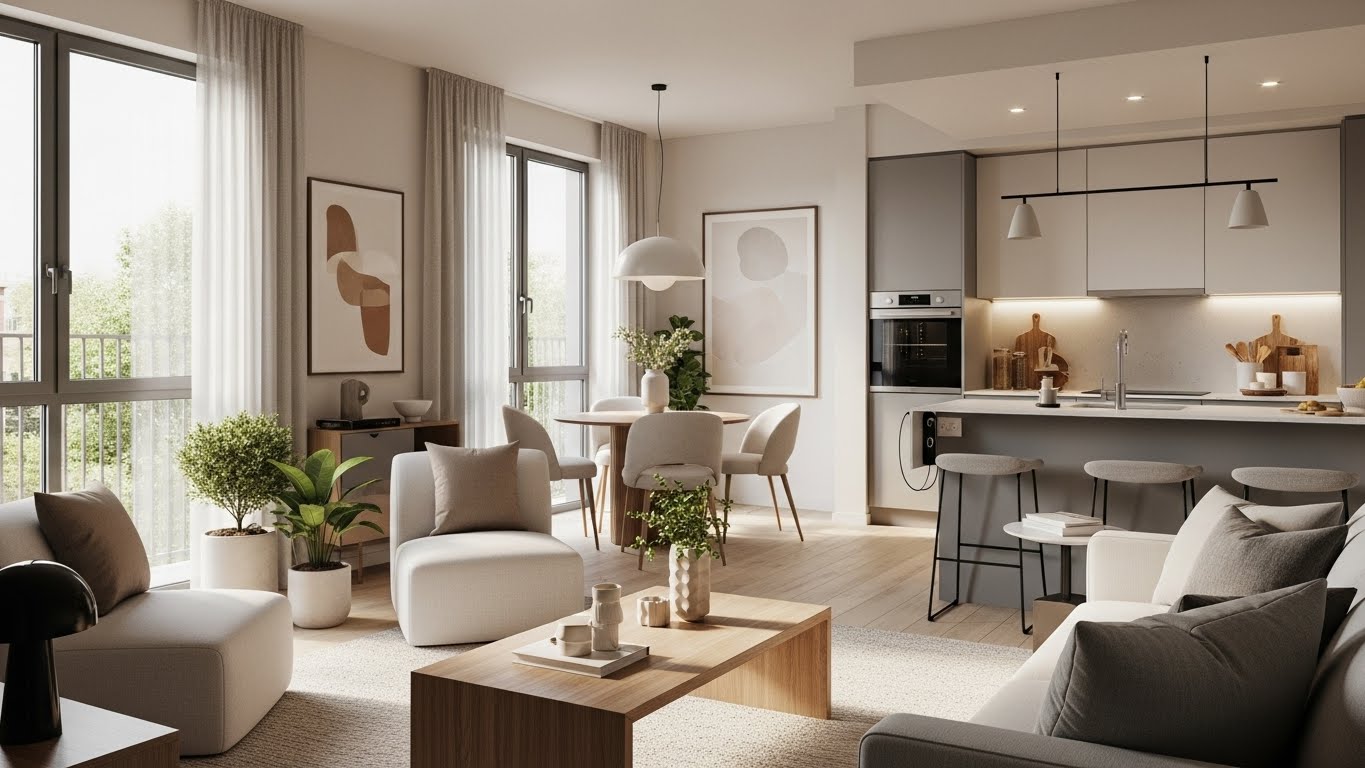
To make your apartment feel lighter after the holidays, focus on three things: clear visual clutter, brighten what you already have, and reset your space around how you actually live day to day. You don’t need a full makeover—small, renter-friendly changes can make your home feel calmer within an afternoon.
This guide walks you through a post-holiday apartment refresh that’s realistic for busy renters in Los Angeles, including Culver City: quick decluttering steps, light and airy apartment ideas, and small apartment updates that create a clean, reset feeling without overdoing it.
Key Points
- Start by clearing “holiday leftovers” that create visual noise, even if they’re not technically messy
- Use a simple declutter routine to reset surfaces, entry zones, and storage hotspots
- Make light work harder with cleaner windows, layered lighting, and lighter textiles
- Refresh your apartment with renter-safe styling: swaps, not renovations
- Build a calm apartment reset that’s easy to maintain through the workweek
Why Your Apartment Feels Heavier After the Holidays
Even if your home is tidy, it can still feel mentally loud after the holidays. Extra packaging, gift bags, seasonal decor, and disrupted routines create the feeling of “unfinished business.” Add shorter days, more time indoors, and the typical January push to get back on track, and your apartment can start to feel like a to-do list.
A lighter home isn’t about minimalism. It’s about reducing friction. The goal of a post-holiday apartment refresh is to make your space easier to live in—especially if you’re juggling work, commuting, or settling into a new routine in Culver City.
Start With Visual Clutter, Not Deep Cleaning
When renters say their home feels heavy, they usually mean one thing: too many items competing for attention. Before you mop or scrub, reset what your eyes land on first.
A practical order that works well for small apartment updates:
- Clear flat surfaces (coffee table, counters, nightstands)
- Reset the “drop zones” (entry table, chair piles, kitchen corner)
- Contain loose items into one temporary bin, then sort later
This approach gives fast relief because it changes what you see and how you move through the space. Deep cleaning can come later, once the visual noise is gone.
Declutter Apartment After Holidays With the “One-Bag Rule”
If you’re short on time, use a simple rule: one bag of exit items per day for three days. This avoids burnout and still creates momentum.
Fill one bag with anything that clearly doesn’t need to stay:
- Empty boxes and packaging
- Unused gift wrap, extra ribbons, duplicate tape
- Items you kept “just in case” but didn’t use all season
- Old decor that no longer fits your style
If you’re in Los Angeles, you likely have limited storage space compared to the amount of stuff that can accumulate. Keeping this rule small makes it sustainable—and it prevents the common mistake of turning a refresh into an overwhelming project.
Make Your Entry Feel Calm Again
Your entry is the tone-setter. When it’s crowded or undefined, the whole apartment can feel chaotic—even if the rest is fine.
A renter-friendly reset looks like this:
- Reduce what lives at the door to the daily essentials (keys, wallet, one pair of shoes)
- Add one container for “outgoing” items (returns, packages, donation bag)
- Give coats and bags a clear home, even if it’s a hook and one basket
This matters even more if you’re coming home from busy areas around Culver City, where a calm landing spot helps you decompress quickly.
Light and Airy Apartment Ideas That Don’t Require New Furniture
A lighter apartment often comes from editing and positioning, not buying. Start with what blocks light or makes the room feel visually dense.
Small changes that make a noticeable difference:
- Pull furniture a few inches away from windows to open the sightline
- Reduce the number of items on window sills
- Swap heavy throws for lighter textures (cotton, linen-style weaves)
- Use a single, larger rug instead of multiple small rugs that “chop up” the floor
If your goal is to create a calm apartment, try leaving one wall or one corner intentionally “quiet.” A little negative space makes the whole room feel more breathable.
Reset Your Lighting Like a Renter, Not a Homeowner
Lighting is one of the fastest ways to lift a space emotionally. And you can do it without changing fixtures.
A realistic lighting reset:
- Replace harsh bulbs with softer, warm-toned bulbs (especially in the evening)
- Use two or three light sources in one room (lamp + overhead + small accent)
- Add lighting where you tend to feel stressed (kitchen counter, desk, entry)
This isn’t about luxury lighting. It’s about making evenings feel calmer and mornings feel clearer—especially during the post-holiday slump.
Refresh the Air and the Scent Story
Homes feel lighter when they smell clean and neutral. After the holidays, lingering scents (spices, candles, cooking, packaging) can make your space feel stuck in last month.
A simple refresh routine:
- Open windows for 10 minutes, even if it’s brief
- Wash soft items that hold scent (throws, pillow covers, bath mats)
- Wipe surfaces that collect film (kitchen hood area, coffee station, cabinet handles)
If you use fragrance, keep it subtle. “Light” often reads as clean laundry, citrus, soft herbal notes, or just fresh air—especially in smaller spaces where scent concentrates quickly.
Create a “Maintenance Minimum” for the Next Two Weeks
A reset only feels good if it lasts. Instead of aiming for perfect, build a minimum that keeps your apartment from sliding back into holiday clutter.
A renter-friendly reset tip: choose one small habit per zone.
- Kitchen: clear the sink before bed
- Entry: shoes and bags reset nightly
- Living area: one 5-minute surface sweep every other day
- Bedroom: make the bed or clear the nightstand—pick one
This is how you keep a post-holiday apartment refresh from becoming another project you have to redo.
Let Your Apartment Support Your Routine Again
One reason homes feel heavy is that the layout stops matching real life. Maybe you worked more at home, hosted more, or your schedule changed. A lighter apartment is often one that supports your current routine—not your ideal routine.
If you’ve been thinking about whether your home setup still fits, it can help to explore what’s possible in your community and what kinds of spaces support different lifestyles. If you’re the type of renter who likes to plan ahead, browsing current apartment availability and community details can spark ideas for how you want your home to function next.
In Los Angeles, where your work-life pace can be intense, a space that supports your routines is more than aesthetic—it’s daily quality of life.
Conclusion: A Lighter Apartment Starts With Fewer Decisions
A lighter home isn’t about doing everything at once. It’s about removing the small stressors that pile up after the holidays—extra clutter, heavy visuals, and spaces that don’t match how you live right now. Start with what you see, reset your “hotspot” zones, and use lighting and textiles to bring back a clean apartment aesthetic that feels livable.
If you’re already thinking about a fresh start for the new season, seeing spaces in person can help you decide what kind of layout and features will best support your routine—renters at Woodcliff Apartments often find it useful to set up a tour time that fits their schedule as a practical next step.
FAQ Section
How long does a post-holiday apartment refresh usually take?
Most renters can get noticeable results in 60–120 minutes by focusing on visual clutter first. Clear surfaces, reset the entry zone, and contain loose items into a single sorting bin. Deeper cleaning can happen later, once the space already feels lighter and more manageable.
What’s the easiest way to declutter an apartment after the holidays without getting overwhelmed?
Use a small, repeatable rule like one bag per day for a few days. Start with packaging, old decor, and items you didn’t use. Keeping the goal small prevents burnout, especially in a busy week when you still need your apartment to function normally.
What are renter-friendly reset tips that don’t involve buying new decor?
Focus on editing and repositioning: clear one surface fully, move furniture to open window sightlines, swap heavy textiles for lighter ones, and layer lighting using lamps. These small apartment updates change how the room feels without requiring permanent changes or new furniture purchases.
How do I make my apartment feel lighter if I don’t get much natural light?
If natural light is limited, rely on layered lighting and reflective surfaces. Use softer bulbs, add a second lamp in darker corners, and keep windows visually clear. Light textiles and a simplified color palette also help rooms feel more open, even without strong sunlight.
What should I prioritize first if my apartment feels chaotic after the holidays?
Start with the entry and the main living surface areas. These zones create the strongest “mess signal,” even when the rest of the apartment is fine. A quick reset—shoes, bags, countertops, coffee table—often makes the entire home feel calmer immediately.
The post How to Make Your Apartment Feel Lighter After the Holidays appeared first on Woodcliff Blog.
]]>The post Best LA Neighborhoods for Work-Life Balance appeared first on Woodcliff Blog.
]]>Finding work-life balance in Los Angeles can be tough. Commutes, cost of living, and daily errands all shape how your week feels. The good news: LA has several neighborhoods that make life easier—whether you’re remote, hybrid, or on campus.
Below, we compare Culver City, Westwood, Downtown LA, Koreatown, and Warner Center so you can pick a spot that fits your routine.
Why your neighborhood matters
In a spread-out city like LA, where you live is a quality-of-life decision. The right location shortens your commute, keeps errands nearby, and puts parks, fitness, groceries, and coffee within easy reach. It also helps when your building supports your routine with co-working spaces, a solid fitness center, secure package rooms, and smart home features.
If Culver City is on your shortlist, explore Woodcliff floor plans to see layouts that match your day-to-day.
Culver City: Creative hub, central, and very livable
Culver City is ideal for renters who want a balanced, car-light lifestyle with fast access to jobs in media, tech, and design.
Why it works
- Commute-friendly: close to the Westside job corridor (Playa Vista, Santa Monica, Century City).
- Daily convenience: walkable restaurants, coffee shops, markets, and gyms.
- Weekends made easy: art galleries, breweries, bike paths, and neighborhood events.
Apartment advantages
Many newer communities include fitness studios, co-working zones, and controlled access—features that make daily life smoother. See the full list of Woodcliff amenities.
Best for
Hybrid and remote workers who want a central base with plenty to do within minutes of home.
Westwood/Brentwood: Polished, professional, close to UCLA and Century City
Want a refined Westside feel with short drives to UCLA and Century City? Westwood and Brentwood offer quiet streets, quality markets, and easy errands.
Why it works
- Professional access: minutes to offices in Century City and Beverly Hills.
- Campus proximity: smart pick for students or staff tied to UCLA.
- Calmer pace: clean, residential vibe with upscale dining and coffee.
Tradeoffs
Smaller floor plans and higher rents than many Valley neighborhoods.
Downtown LA (DTLA): Urban energy and instant access
DTLA is for renters who want city life—high-rise views, short walks to work, and endless food options.
Why it works
- Car-light living: walk to offices or hop on Metro.
- After-work plans: galleries, arenas, rooftops, and restaurants.
- Modern buildings: gyms, lounges, secure package rooms.
Tradeoffs
A busier environment and higher rents for prime locations.
Koreatown: Nightlife, food, and strong value
Koreatown blends affordability with a lively scene and quick transit.
Why it works
- Budget stretch: generally more affordable than the Westside.
- Transit: central with multiple Metro lines.
- Lifestyle: 24-hour eateries, karaoke, and cultural events.
Best for
Renters who want value, a social vibe, and easy access to the rest of LA.
Warner Center / Woodland Hills: Space, amenities, and easy errands
If you want larger homes, resort-style amenities, and walkable shopping, Warner Center is a strong pick. You’ll trade the coast for space and convenience.
Why it works
- Bigger layouts: more square footage for the price.
- Daily ease: walk to Westfield Topanga and Topanga Social; quick freeway access.
- Lifestyle perks: rooftop lounges, co-working zones, and modern gyms in many buildings.
Real-world example
Communities offering apartments near Warner Center—such as Pendant on Topanga—show how Valley living can support balance with open-concept layouts, co-working areas, and amenities a short walk from shopping and dining.
Best for
Remote or hybrid renters who want room to spread out and keep errands simple.
A simple way to choose your LA neighborhood
Use this quick framework to narrow your pick:
-
Commute and schedule
- Office or hybrid: aim for a 20–30 minute commute to your main hub.
- Remote: prioritize building amenities (co-working, strong Wi-Fi spaces, gym) and neighborhood walkability.
-
Space versus budget
- Westside = premium; Valley = more space for the price; Koreatown = strong value.
-
Daily rhythm
- Love dining and art? Try Culver City or DTLA.
- Want a calm, polished feel? Westwood/Brentwood.
- Need more room and easy errands? Warner Center.
A week that feels balanced (Culver City example)
Monday–Friday
- Morning: quick gym session at Woodcliff amenities; coffee within a 10-minute walk.
- Day: hybrid schedule or remote calls from the co-working lounge.
- Evening: groceries, parks, or a short drive to the beach.
Weekend
- Brunch and galleries in the Arts District, bike path rides, or a quick trip to the Marina.
- Movie night at home—packages secured, everything within reach.
When you’re ready to see it for yourself, start with our photo gallery and then schedule a tour.
Final thoughts
LA gives you options. If you want a central, creative, and convenient lifestyle, Culver City is hard to beat. If space and modern amenities matter most, Warner Center delivers strong value. If you prefer a polished Westside feel near UCLA and Century City, Westwood/Brentwood keeps your week smooth.
Pick the neighborhood that supports your commute, budget, and habits—and the rest will follow. To see how this plays out in real life, explore our current layouts at Woodcliff floor plans.
FAQs about work-life balance in LA neighborhoods
-
Is Culver City good for work-life balance?
Yes. It’s central, walkable, and close to major job hubs. Many buildings include co-working spaces and gyms, which makes daily life easier.
-
Which LA neighborhood offers the most space for the price?
Warner Center and Woodland Hills typically provide larger floor plans and modern amenities at a lower price point than the Westside.
-
I work remotely—where should I live?
Look for buildings with co-working lounges, quiet study areas, and strong Wi-Fi. Culver City and Warner Center both offer good options.
-
Is Koreatown a good value?
Yes. Koreatown blends affordability, central access, and a great food scene. It’s a strong choice if you want value and transit.
-
What should I look for in an apartment to support balance?
Co-working areas, on-site fitness, secure package lockers, reliable parking, and walkable errands. Woodcliff checks these boxes—see amenities.
The post Best LA Neighborhoods for Work-Life Balance appeared first on Woodcliff Blog.
]]>The post Discovering the Best Apartments in West Adams, Los Angeles appeared first on Woodcliff Blog.
]]>Takeaway:
- Experience the perfect mix of historic charm and modern living.
- Ideal for renters looking for culture, community, and convenience.
- A vibrant neighborhood with diverse housing options and unique amenities.
West Adams, Los Angeles, is an intriguing blend of history, culture, and modern urban charm. If you’re on the hunt for your next home, exploring what this neighborhood has to offer might surprise you. From historic elegance to modern-day luxury, apartments in West Adams cater to a wide range of tastes and lifestyles. Let’s delve into why West Adams should be at the top of your list, what features to keep an eye out for, and what sets this vibrant area apart from other LA neighborhoods.
Why Choose West Adams for Your Next Home?
West Adams strikes a unique balance between its storied past and contemporary living. This blend makes it a standout choice for renters who want more than just a place to live. The neighborhood's strategic location near Culver City and Downtown LA is an added bonus, ensuring that convenience is always part of the equation—whether for work or leisure.
A Neighborhood Bursting with Culture
West Adams is known for its colorful tapestry of art, culture, and community spirit. From murals that tell stories to art galleries that showcase local talent, it’s a place where creativity breathes. Living here means joining a community that doesn’t just appreciate the arts but celebrates it. Whether you’re strolling down its streets or attending a neighborhood event, you’ll feel a sense of belonging that’s hard to come by in many places.
Diverse Apartment Choices
Looking for a cozy, character-filled studio? Or maybe a sleek multi-bedroom space with all the modern trimmings? West Adams has you covered. The variety of apartment styles ensures there’s something that fits your lifestyle and preferences. You’ll find historic buildings renovated with care to preserve their charm and new developments with all the bells and whistles you could ask for.
Key Features to Look For in Apartments in West Adams
- Proximity to Essential Areas
One of the best things about living in West Adams is how well-connected it is. With quick commutes to both Culver City and Downtown LA, you can shave precious minutes off your daily travel time. That means more moments enjoying what the neighborhood has to offer and less time stuck in traffic. - Community-Centric Amenities
Imagine finishing a long day and unwinding on a rooftop terrace with sweeping city views, or hitting the gym just a few steps from your front door. These aren’t just luxuries; they’re becoming standard features in many West Adams apartments. Co-working spaces are also a big draw, perfect for those who have embraced the remote work lifestyle. - Historic Charm Meets Modern Comforts
Many apartments in West Adams masterfully blend old and new. It’s not uncommon to find exposed brick walls paired with stainless steel appliances or original hardwood floors that have been beautifully restored. If smart home technology, energy-efficient features, or sleek, updated kitchens are on your list, you’ll be pleased with the options here.
What Is It Like Living in West Adams?
Living in West Adams means more than just having a roof over your head; it means being part of a neighborhood with personality. Here, neighbors know each other, local business owners greet regulars by name, and the vibe is both laid-back and lively. It’s the kind of place where you can grab your morning coffee at a cozy café and chat with the barista or discover a hidden gem of a restaurant with flavors that transport you to another world. (For dining suggestions, check out our restaurant guide to West Adams.)
Access to Green Spaces
Urban living doesn’t mean sacrificing your love for the outdoors. West Adams has parks and recreational areas that offer a breath of fresh air—literally. Whether you’re a fan of early morning jogs, weekend picnics, or just a peaceful afternoon with a book under a tree, these green spaces are a welcome escape from the hustle and bustle.
FAQs About Living in West Adams, Los Angeles
- What makes West Adams stand out from other LA neighborhoods?
It’s a place where history and modernity live side by side, creating a unique sense of character. Add to that its focus on arts and community, and you’ve got an area that’s anything but ordinary. - Are there budget-friendly apartments in West Adams?
Absolutely. The neighborhood offers a range of price points, making it accessible to different budgets. - What amenities can I expect in most apartment buildings?
Expect options like fitness centers, secure parking, rooftop lounges, and community spaces that foster connections with your neighbors. - Is West Adams suitable for families?
Yes! The area’s parks and community-oriented feel make it a great place for families of all sizes. - How long does it take to get to Downtown LA?
Typically, the commute is about 15-20 minutes by car, a major advantage for those working in the city center.
Final Thoughts
West Adams is more than just a place to live; it’s a place to thrive. Whether you’re drawn to its cultural richness, modern living spaces, or the convenience of its location, there’s something here for everyone. Ready to explore what could be your next home? Visit Eon Adams for current listings and start your journey toward living in one of LA’s most vibrant neighborhoods.
The post Discovering the Best Apartments in West Adams, Los Angeles appeared first on Woodcliff Blog.
]]>The post Tips for Decorating Your Culver City Apartment appeared first on Woodcliff Blog.
]]>
Key Takeaways:
- Capture Culver City's Vibe: Use local art and urban chic furniture to reflect the city’s creative energy.
- Maximize Space: Choose multi-functional furniture, vertical storage, and mirrors to make small spaces feel larger.
- Personalize Your Home: Add color, custom wall art, and personal touches for a unique style.
- Stay Organized: Keep clutter in check with stylish storage solutions and regular decluttering.
Decorating an apartment, especially in a lively and creative place like Culver City, can be both exciting and challenging. Your home should reflect your personal style while capturing the unique vibe of the local area. Whether you're new to the neighborhood or just looking to refresh your space, making your apartment cozy, functional, and stylish is key. In this blog, we'll explore practical tips for decorating your Culver City apartment, helping you create a space that’s perfect for relaxing, entertaining, or working from home.
Embrace the Local Vibe: Culver City’s Creative Energy
Culver City is a hub of creativity, known for its artsy feel and dynamic cultural scene. You can bring this same creative energy into your home by integrating local influences into your décor.
- Incorporate Local Art: Support local artists by adding artwork, sculptures, or prints from nearby galleries or flea markets. These pieces will not only add character to your home but will also serve as a connection to the vibrant community.
- Urban Chic Furniture: Culver City's modern, sleek architecture can inspire your choice of furniture. Opt for clean lines and minimalist designs that complement the area's urban flair. Pairing this with cozy textiles like plush cushions and soft rugs will keep your apartment inviting and comfortable.
- Open Layout and Space: Many apartments in Culver City have open layouts that emphasize spaciousness. To align with this, choose light, airy furniture that doesn’t crowd the room. Sofas with slimmer profiles or floating shelves are great for maximizing space.
By drawing inspiration from the local culture, your apartment can become a stylish and unique reflection of Culver City’s artistic spirit.
Maximize Space: Smart Design for Small Apartments
Maximizing space is essential, especially in apartment living where every square foot counts. Luckily, there are plenty of ways to make your apartment feel larger while keeping it functional.
- Multi-Functional Furniture: Furniture that serves multiple purposes is a must in smaller apartments. A sofa bed for guests, an ottoman with hidden storage, or a fold-out desk can make a huge difference in maintaining both comfort and practicality.
- Vertical Storage Solutions: Make use of your walls by installing floating shelves or tall storage units. These can help you organize without eating up valuable floor space. Plus, they add to the aesthetic when styled with books, plants, or décor.
- Mirrors and Lighting: A well-placed mirror can instantly make a room feel larger by reflecting light and creating the illusion of more space. Combine this with bright, warm lighting to open up your apartment and make it feel inviting.
These small-space solutions can make your Culver City apartment feel both stylish and spacious, no matter the size.
Personalize Your Space
The best part of decorating is making your space truly your own. In a city that celebrates individuality, your Culver City apartment should reflect your personality and style.
- Bold Color Accents: Neutral tones are great for maintaining a clean, cohesive look, but adding pops of color through accessories like pillows, rugs, or art can energize your space. Choose hues that match your vibe—whether it’s calming blues or vibrant reds.
- Custom Wall Art and Murals: If you're feeling artistic, consider painting an accent wall or using removable wallpaper to make a statement. You could even create a mural or custom design that makes your apartment feel truly unique.
- Personal Memorabilia: Display personal items such as travel souvenirs, books, or family photos to create a sense of warmth and make the space feel like home. These items tell a story about you and add a meaningful touch to your apartment.
When you incorporate personal elements into your décor, your apartment will feel more authentic, welcoming, and uniquely yours.
Bring Nature Indoors
Culver City is known for its natural beauty and love for outdoor spaces. Bringing a bit of that nature indoors will enhance the calm and serenity of your apartment.
- Houseplants: Plants are a great way to add life to your space. Not only do they purify the air, but they also add a natural element to your décor. Low-maintenance options like succulents, snake plants, or pothos can thrive indoors and require minimal care.
- Natural Materials: Incorporate furniture or décor items made from wood, bamboo, or stone to complement your space. These materials bring a touch of nature and add warmth and texture, balancing the urban feel of Culver City with a grounded, earthy vibe.
Infusing your apartment with natural elements can help create a peaceful and refreshing environment that feels in tune with the outdoors.
Stay Organized: Decluttering Tips
An organized apartment is essential for maintaining a stylish and functional space. Keeping clutter at bay ensures that your décor choices stand out and your home feels spacious.
- Smart Storage Solutions: Invest in storage that doubles as décor, such as woven baskets, stylish storage boxes, or ottomans with built-in compartments. These options help keep your space tidy without sacrificing style.
- Purge Regularly: It’s easy to accumulate too much over time, but regularly purging items you don’t need will help keep your apartment clutter-free. Focus on keeping only what’s essential and meaningful.
- Designate a Place for Everything: An organized apartment means having a spot for everything—from kitchen gadgets to shoes and coats. This ensures that nothing piles up or clutters your living space.
By staying organized, your apartment will not only look better but also function more efficiently.
Conclusion: Create Your Culver City Haven
Decorating your Culver City apartment is about balancing creativity, comfort, and practicality. By incorporating local culture, maximizing space, and adding personal touches, you can transform your home into a stylish sanctuary. Embrace natural elements, stay organized, and most importantly, let your personality shine through. Ready to take the next step? Explore Woodcliff Living's floorplans to find the perfect space and start making it your own today.
The post Tips for Decorating Your Culver City Apartment appeared first on Woodcliff Blog.
]]>